

2026 Spring Interiors Blend Warmth, Character & New Modern Luxury.
As we welcome spring to New England, interiors are evolving in a way that feels both refreshing and deeply grounded. The stark minimalism of years past is making room for a more personal approach – spaces layered with warmth, texture, and a sense of story.
Here’s a look at the defining interior design trends shaping Spring 2026 and how they’re being thoughtfully applied across Greater Boston, from luxury condos to historic brownstones and modern single-family homes.
A SHIFT TOWARD LIVED-IN LUXURY

2026 Interior Design Trends via WGSN
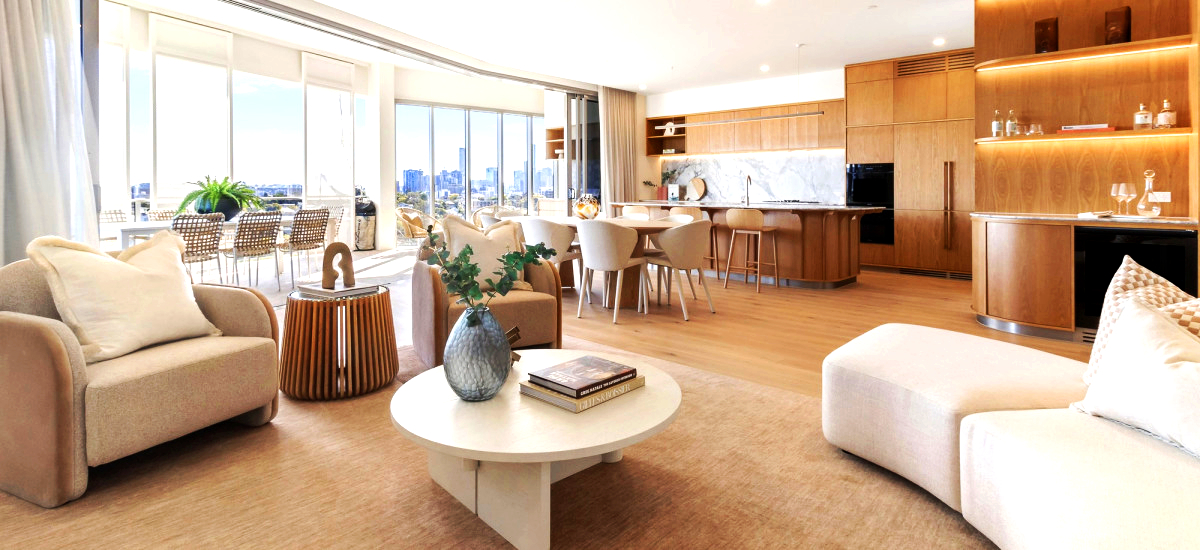
This spring, beige is back with some other recurring hues. We’re seeing a clear move toward a softer, more inviting aesthetic. The cool grays and crisp whites that dominated for years are giving way to palettes rooted in nature—think creamy beige, warm browns, clay tones, and mossy greens.
The homes above and below reflect this shift beautifully, with layered warm neutrals and earthy hues creating spaces that feel both refined and relaxed—an expression of comfort-driven, nature-inspired design.
Designers are layering these hues to create spaces that feel elevated yet comfortable, reflecting a broader shift toward personality over perfection.
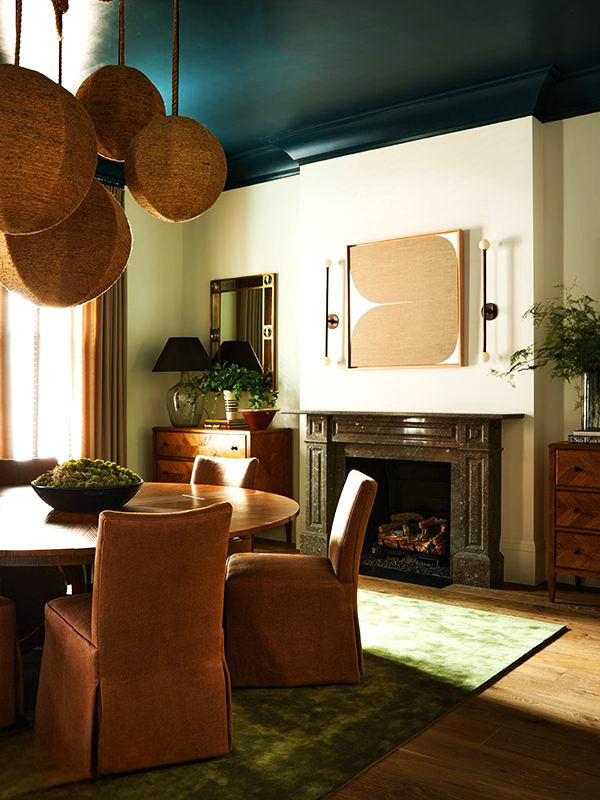

Boston Brownstone via NE Home/Hudson Interior Design
What’s especially interesting is how this warmth shows up across different types of homes. In light-filled condos, these tones soften expansive glass and open layouts without losing that bright, airy feel. In modern homes, layered neutrals add dimension to open-concept spaces, especially when paired with stone, wood, and textured fabrics. And in historic brownstones, these colors enhance original mill work and architectural details, making those features feel even more intentional.
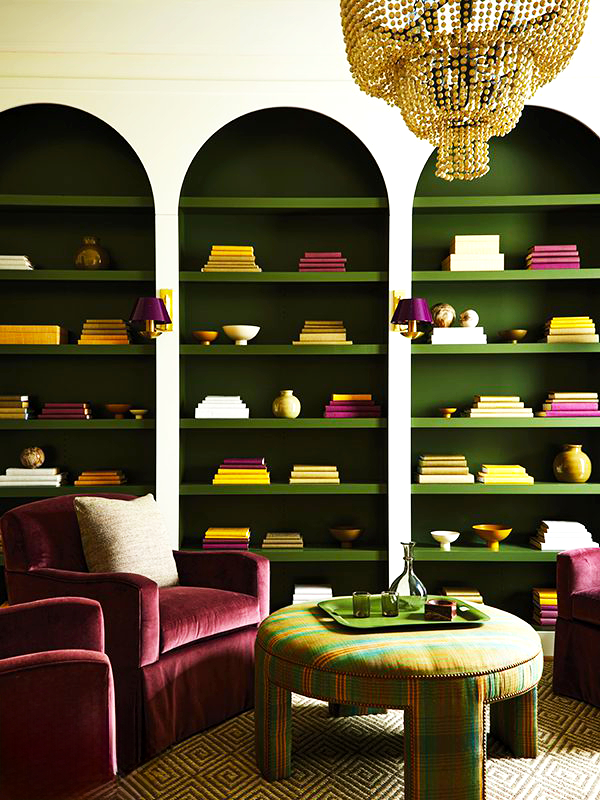
Boston Brownstone via NE Home/Hudson Interior Design
More than anything, this trend speaks to a larger shift: homes that feel collected over time rather than perfectly styled all at once. Spaces that reflect care, character, and a sense of history – something today’s buyers are connecting with more than ever. Rooms depicting candid scenes captured in time that buyers can visualize being a part of – as shown in the above library that tells a story with it’s curated collection of books, and it’s plush, intimate seating that’s no doubt shared countless, inspired conversations between good friends and loved ones.
And for sellers, this translates into thoughtful styling choices that feel authentic rather than overly staged.
COLOR DRENCHING & COCOONED SPACES
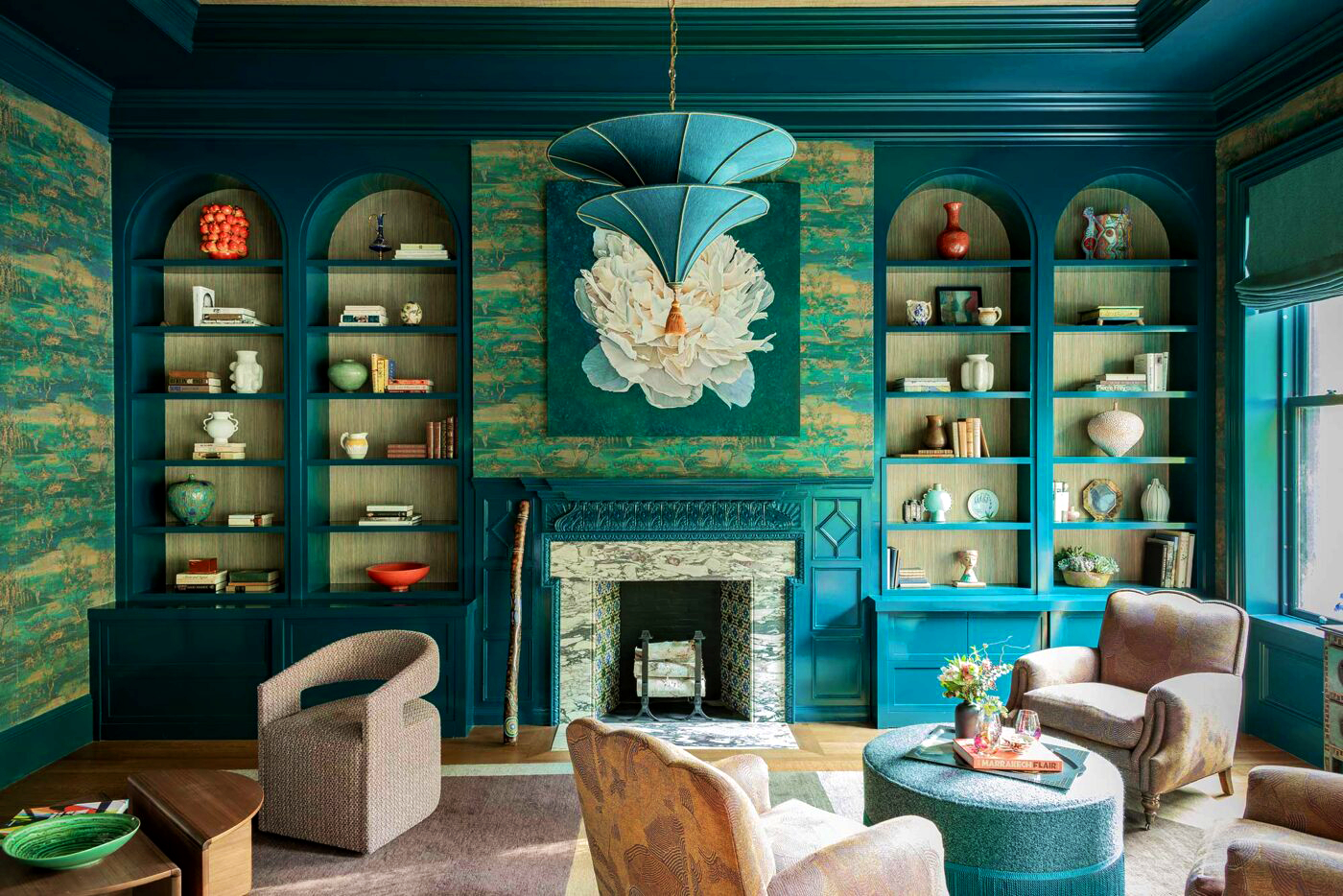

Color Drenched Living via Daher interior design
One of the most talked-about trends this year is Color Drenching 2.0—where walls, trim, and even ceilings are enveloped in the same rich hue, creating a dramatic, cocoon-like effect. The result is a moody, high-end look that highlights architectural details, softens visual boundaries, and can even make smaller rooms feel more expansive.
Take this example from the Boston-based firm, Daher Interior Design, that’s embracing this approach by designing spaces that feel both intimate and elevated.
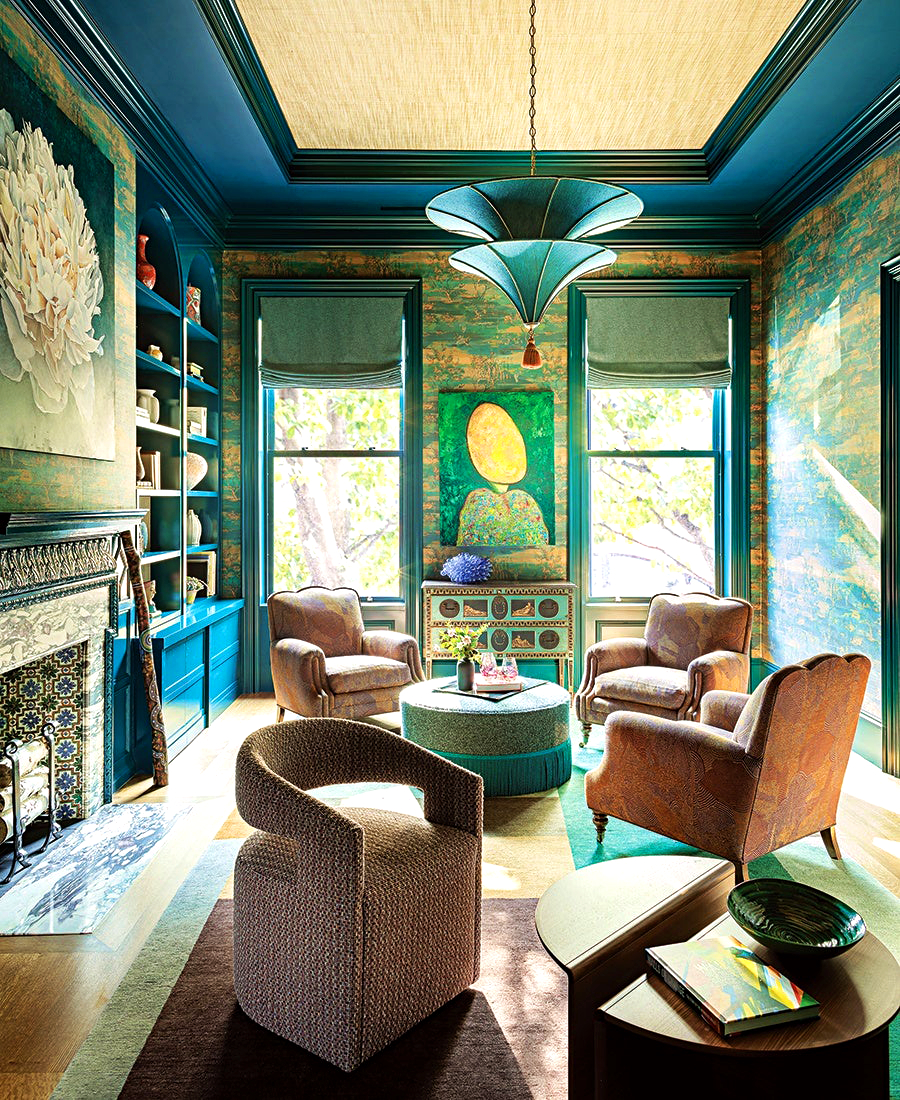

Daher Interior Color Drench Den via Best of Boston 2026
Daher Interior’s living room styled with dramatic color and rich textural accents, mixes exotic charm with old-world historic mill work that’s bathed in bright aqua and subdued by warmer wood and gold tones – giving an exquisitely modern take on trends rooted in timeless design. We especially love the scalloped arm chairs, organic artwork, curved book case and tiered chandelier with tassel-touch.
Seasonal Synergy: Spring light transforms Color-Drenched rooms in spring when the light is warmer, softer, and more diffused. It carries across drenched walls like a slow watercolor painting revealing undertones and shifting gradients to wake up subtle complexities in the pigment – while in winter, the same room feels introspective and moody. In spring, it feels luminous and alive.
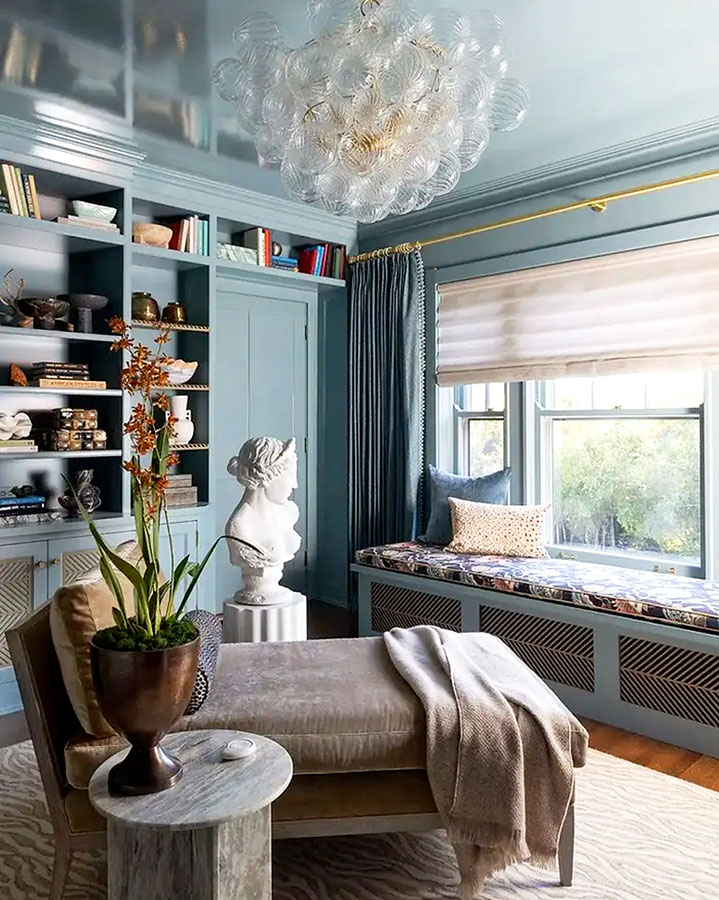

Color Drench Neutral Dynamic Combination via InterLux Interiors
These seasonal transformations are the reason color drenching is so emotionally resonant in 2026. “It gives homeowners a palette that evolves, grows, and shifts with the natural world — making a room feel alive rather than static.” according to the experts at InterLux Interiors.
Color Drenching is a coveted luxury language in 2026 because homeowners are craving a deeper, calmer, immersive sanctuary with an emotional connection. It is not about taking risks — it is about taking control of the atmosphere inside. It is not just about decor choices — it designs how you want your life to feel.
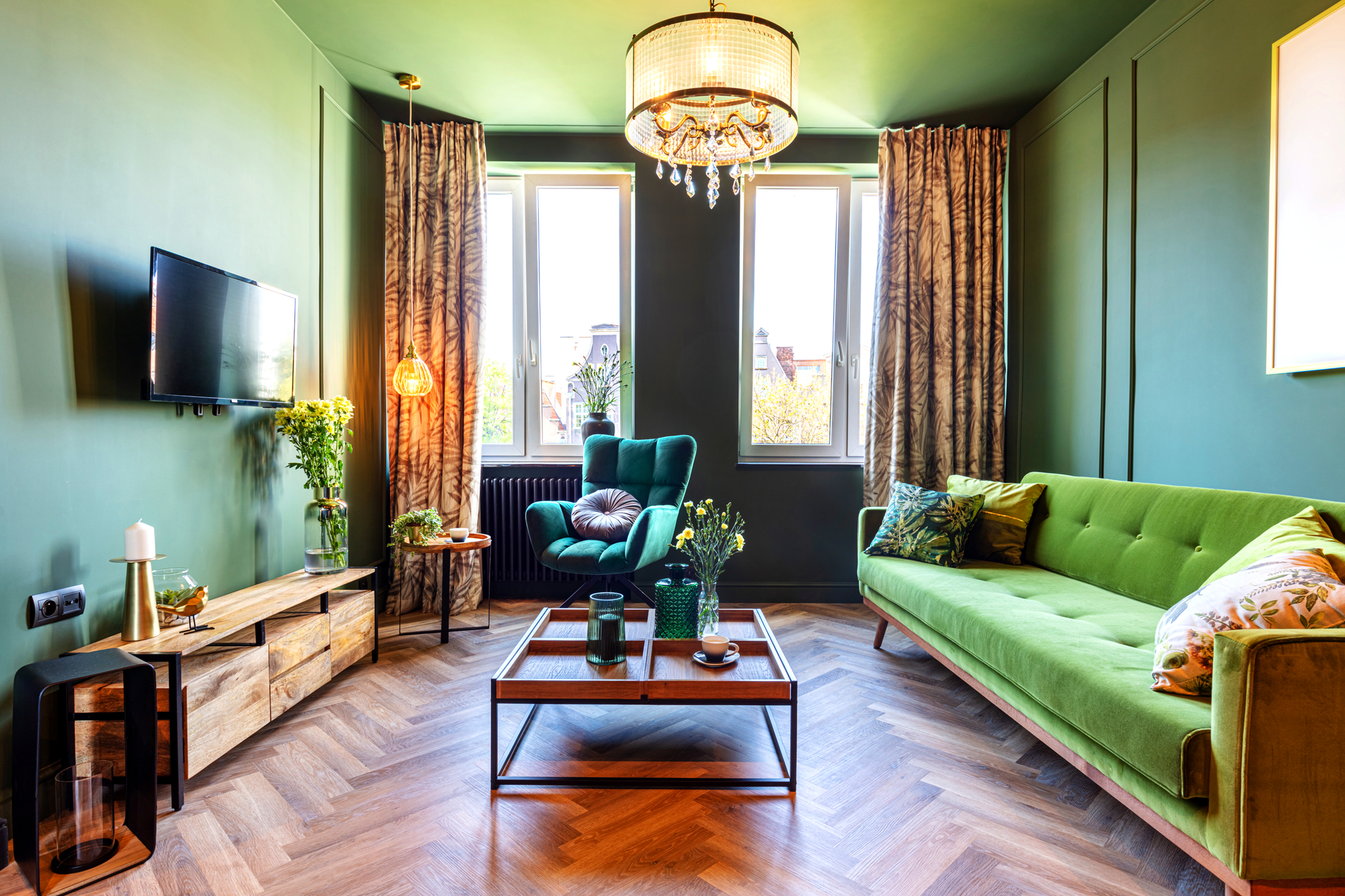

Color Drench Inspiration via Cromatist
What makes the color drench trend especially compelling is its versatility. It’s often used to define specific rooms—transforming dining rooms, libraries, and studies into immersive retreats. When done well, it enhances depth, amplifies character, and brings a sense of intentionality to the overall design – carrying the eye from floor to sofa to wall to ceiling in one gracious sweeping motion.
We’re also seeing a rise in deeper, more saturated tones—plum, wine, and smoked emerald—layered to create spaces that feel rich and quietly dramatic. And notably, one shade continues to stand out this season above the rest: malachite.
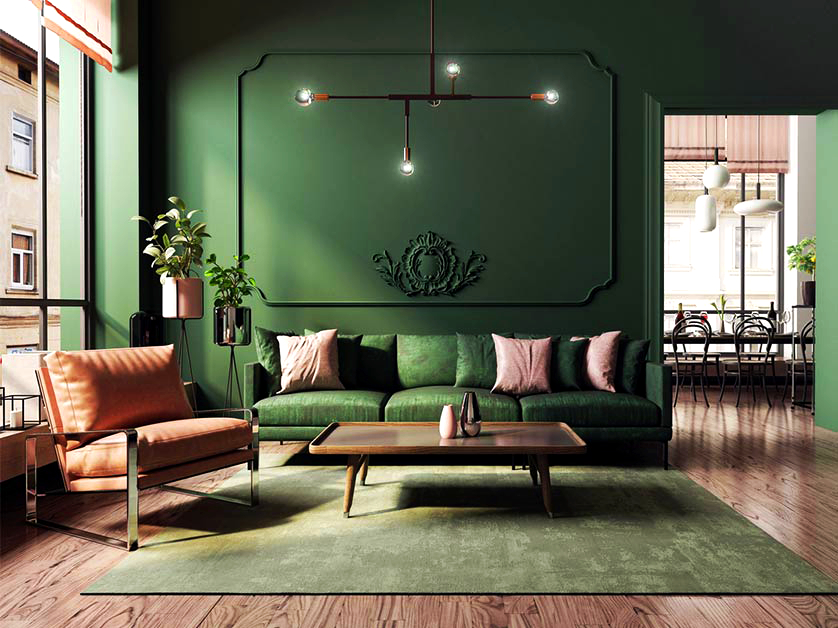

Color Drench Explained via Cottage Industries
With its unmistakable, vivid green, malachite is emerging as an unofficial color of spring. Long associated with transformation and renewal, it’s now appearing in some of the most beautifully designed interiors across the country.
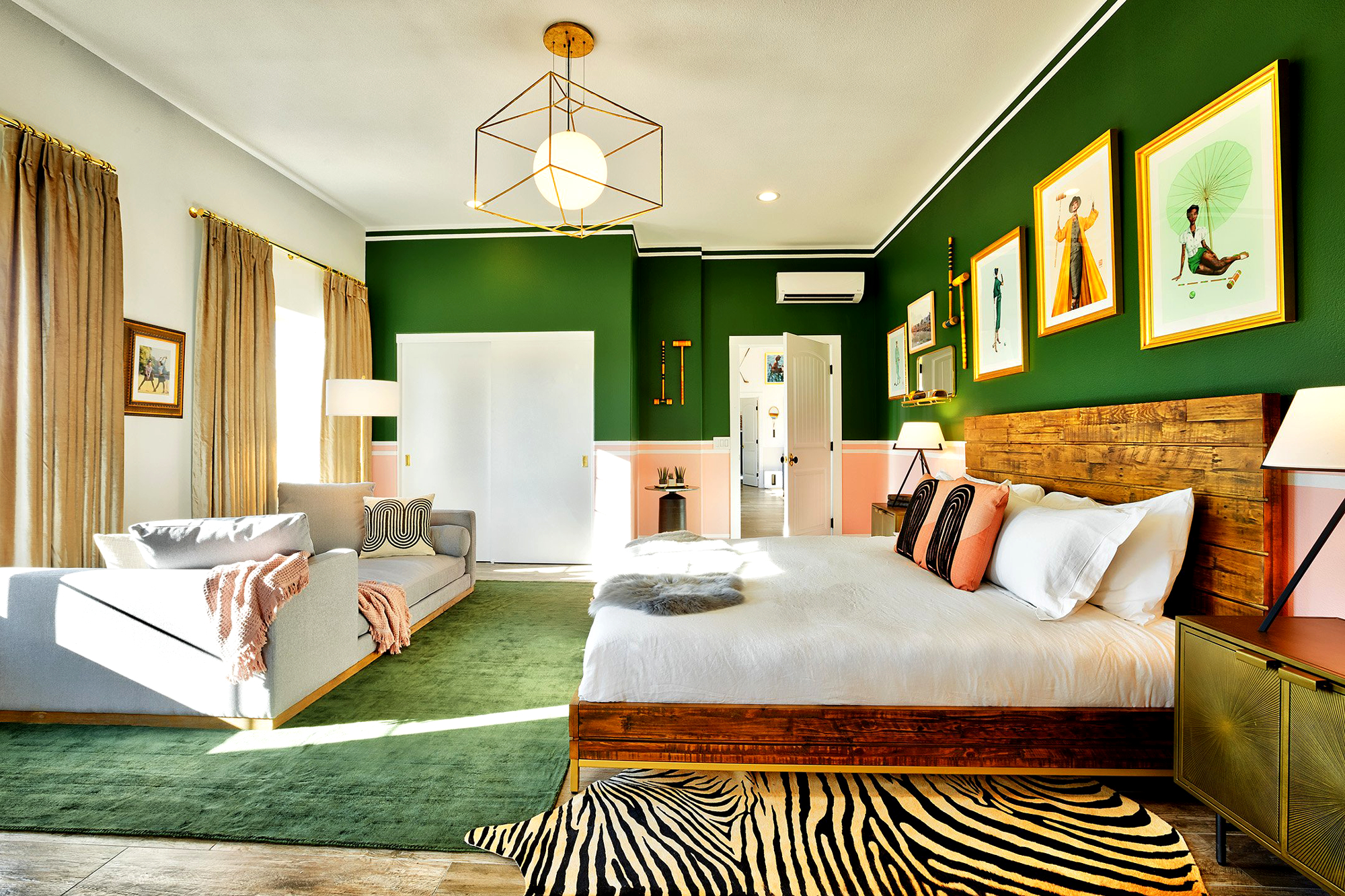
Elegant Modern Living via Foxden Properties
It pairs exceptionally well with Pantone’s 2026 Color of the Year, Cloud Dancer—a soft, billowy, airy off-white that acts as a structural neutral. Together, the two create a sophisticated, high-contrast palette that balances serenity with rich, organic depth, allowing deeper greens like malachite to truly stand out.
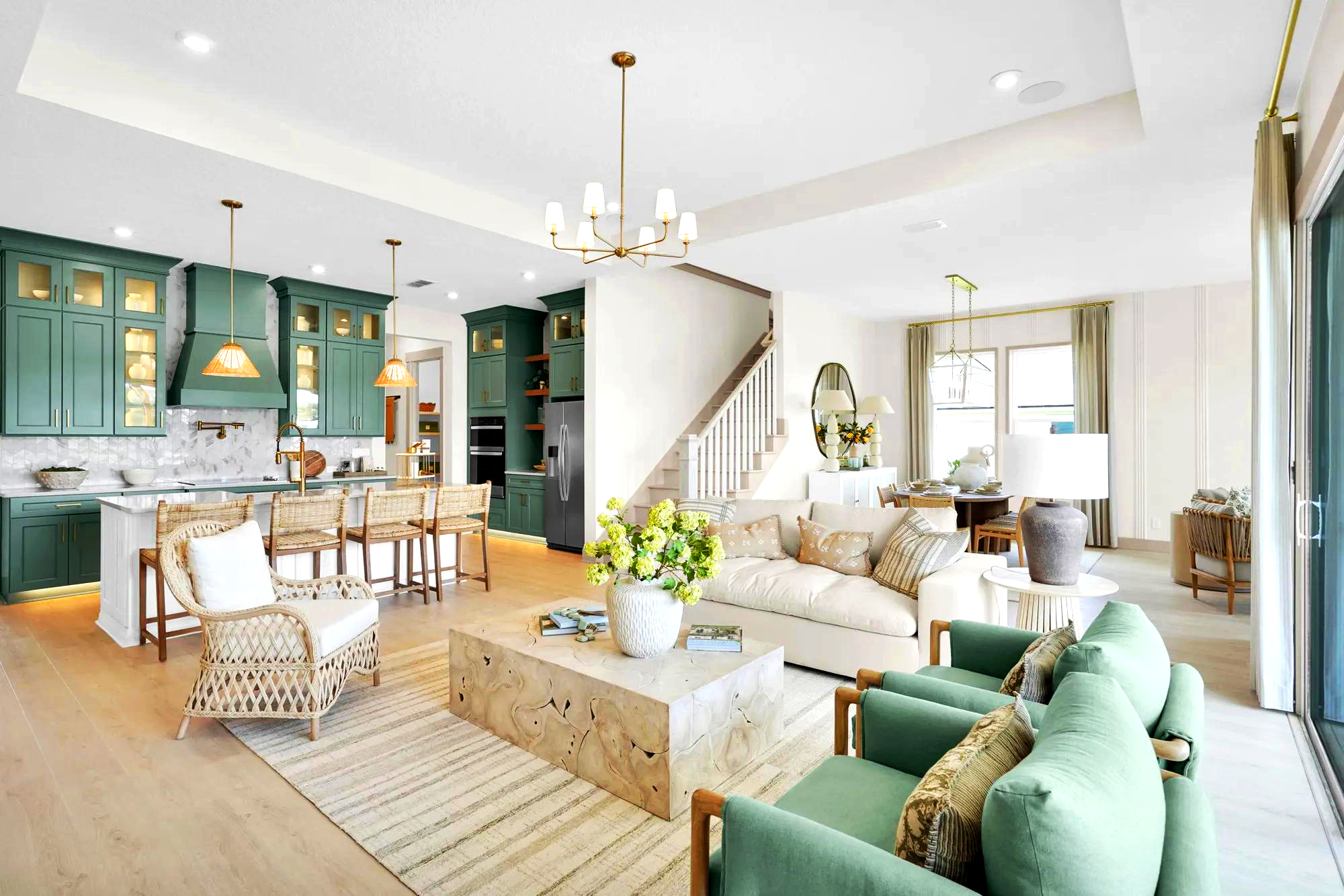

Pantone’s 2026 Cloud Dancer Paint Guide via Drees Homes
Whether used boldly in a fully drenched room or introduced more subtly through accents, it’s a color that brings both energy and refinement—and one we expect to see more of moving forward.
And for those of us not quite ready to abandon the all-white and beloved-bright kitchen look, cloud dancer can also be used as the perfect Color Drench choice to saturate a space in combination with white, ivory, beige and soft neutrals.
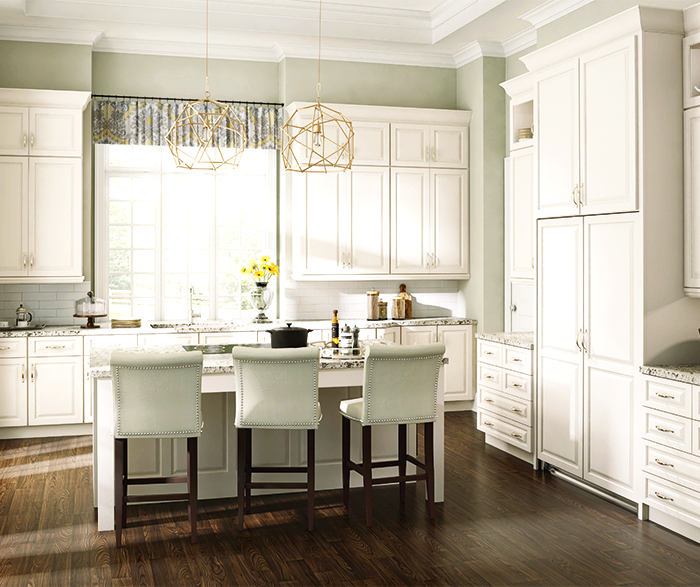

Pantone Cloud Dancer Cabinets via Fieldstone Edgemont
This dreamy kitchen above brings the look to life with Cloud Dancer white across the cabinetry, island, crown molding, and ceiling, layered with neutral accents like muted granite, dove gray tile, brushed gold lighting, and whisper jade walls and seating—an exquisite balance of softness and sophistication.
And it’s not just for kitchens. Cloud Dancer makes the perfect white canvas for any room – consider using in a room surrounded by lush greenery and glass with accents in natural wood, leather, stone, wicker and berber for an especially calming seasonal space.
SCULPTURAL BEAUTY & SOFT CURVES
Furniture and lighting are taking on a more expressive role this season, as curved silhouettes and sculptural forms replace the rigid lines that have long defined modern interiors. Arches, rounded edges, and fluid contours introduce a sense of movement, creating spaces that feel softer, more intuitive, and inherently inviting.
Studios such as Mandarina Interior Design are leading the way, embracing organic shapes, bespoke furnishings, and statement lighting that blurs the line between art and function. From gracefully curved sofas to lighting that reads like installation pieces, these elements add depth, dimension, and a quiet sense of drama—transforming everyday spaces into thoughtfully composed environments.
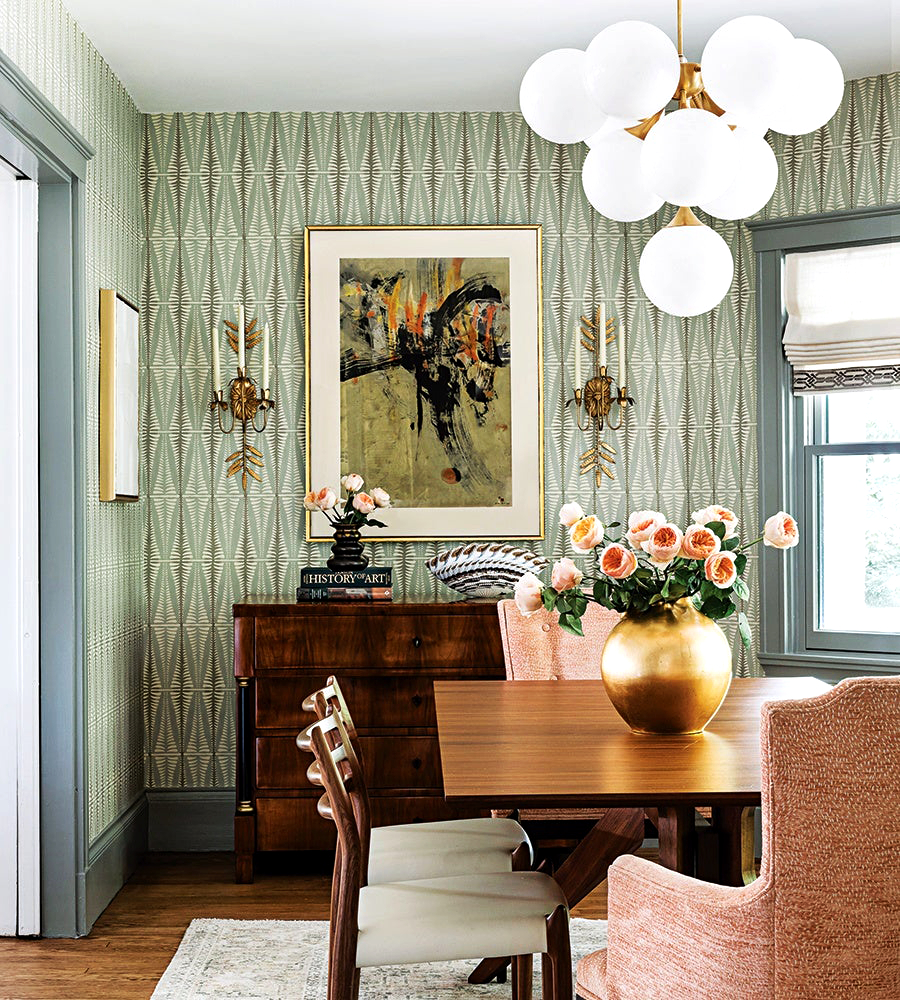

Organic Elemental Interior Design via Mandarina Studio
At its core, this trend is about introducing a sense of movement and quiet balance into what might otherwise feel like a static space. In condos especially, where angular layouts and glass-heavy architecture can lean stark, curved seating and rounded forms act as a visual counterpoint—softening edges, easing transitions, and creating an environment that feels more fluid, livable, and inherently welcoming.
This idea extends beautifully in the below kitchen with its custom hardwood stools with fan-shaped backs sweep inward to a delicate curved center, set against the grounding texture of natural stone – an elegant interplay of craftsmanship and form that brings both artistry and warmth to the space.
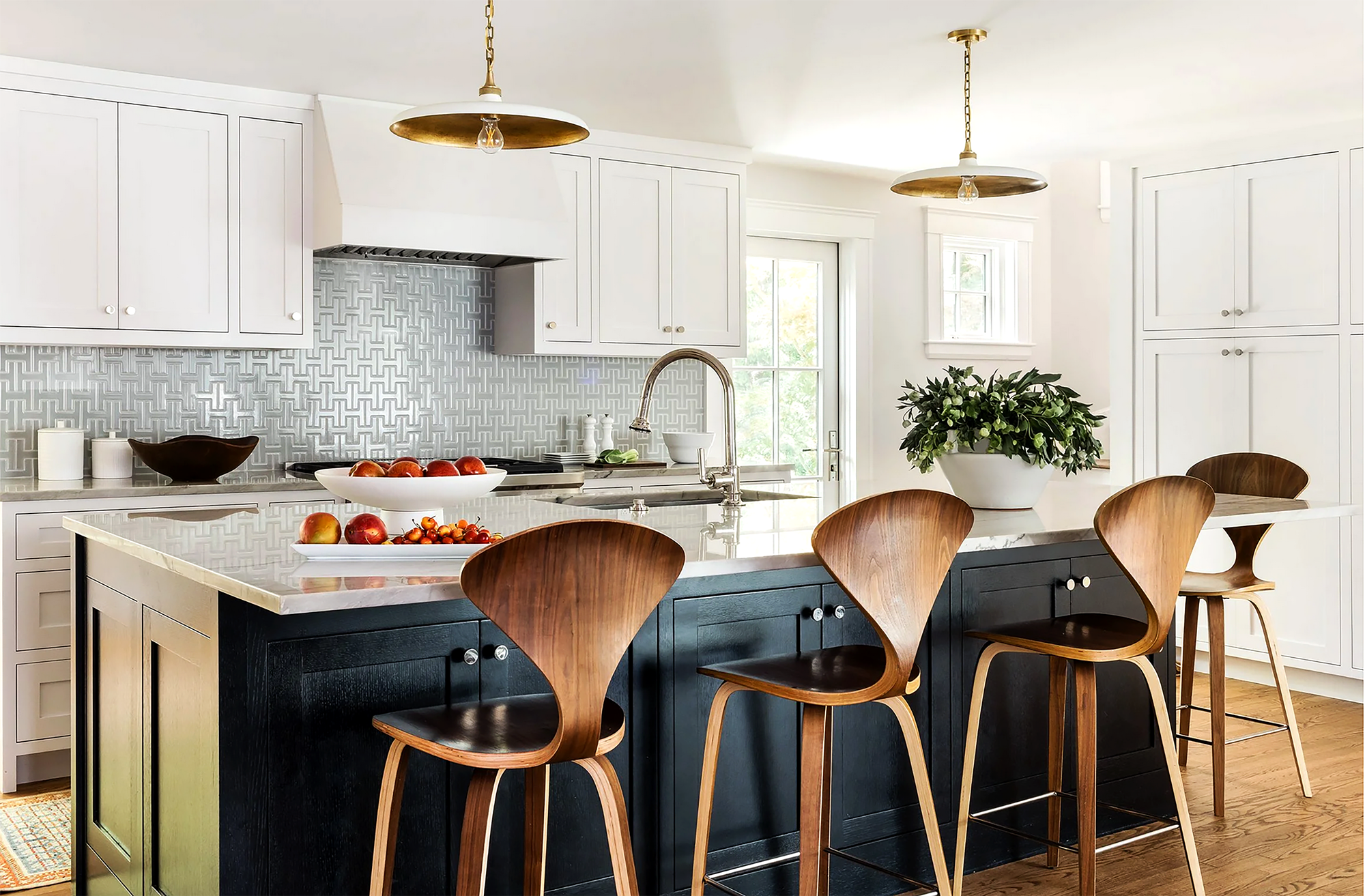

Organic Curved Natural Wood Stools via Mandarina Studio
In modern homes, statement lighting—whether suspended above a dining table or cascading through a double-height living space—serves as a striking anchor, drawing the eye and defining the room’s atmosphere. In historic brownstones, these contemporary forms introduce a compelling contrast to classic moldings and fireplaces, creating a layered, collected look that feels both current and enduring.
An emphasis on tactile materials—plaster, bouclé, natural wood, and hand-finished metals—further enhances these forms, introducing a layer of richness and craftsmanship that feels both intentional and understated. The result is a space that feels nuanced, dimensional, and quietly refined—where the materials used become just as important as the form itself.
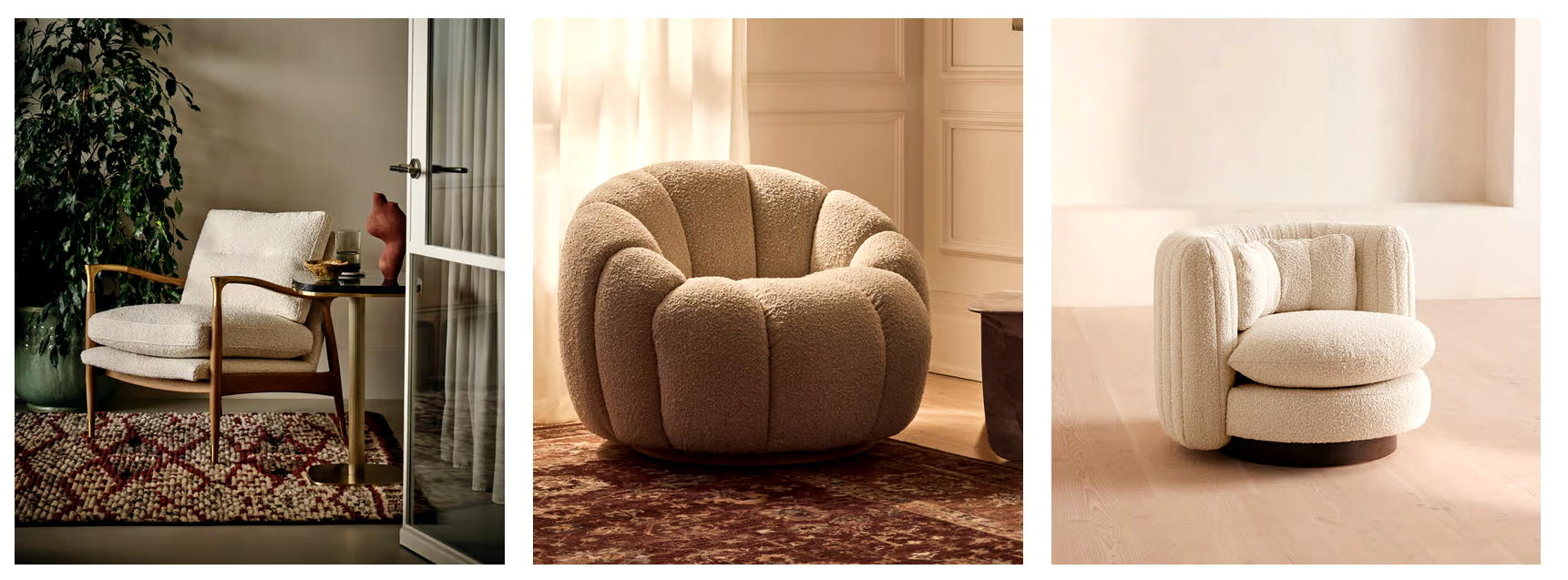

Boucle, Wood, and Metal Side Chairs via Soho Home
TEXTURE TAKES CENTER STAGE
If there’s one defining element of 2026 interiors, it’s texture—and not just in the expected places. Beyond upholstery and drapery, designers are embracing texture across every surface, from walls and ceilings to casework and tables.
From lime-wash walls and plaster finishes to hand-crafted tile and richly layered textiles, designers are prioritizing materials that bring depth, nuance, and a sense of quiet luxury. The focus has shifted away from perfectly polished surfaces toward spaces that feel tactile, dimensional, and inherently lived-in.
Firms like Mally Skok Design are especially known for this layered approach, artfully weaving together color, pattern, and craftsmanship to create interiors that feel both curated and deeply personal.
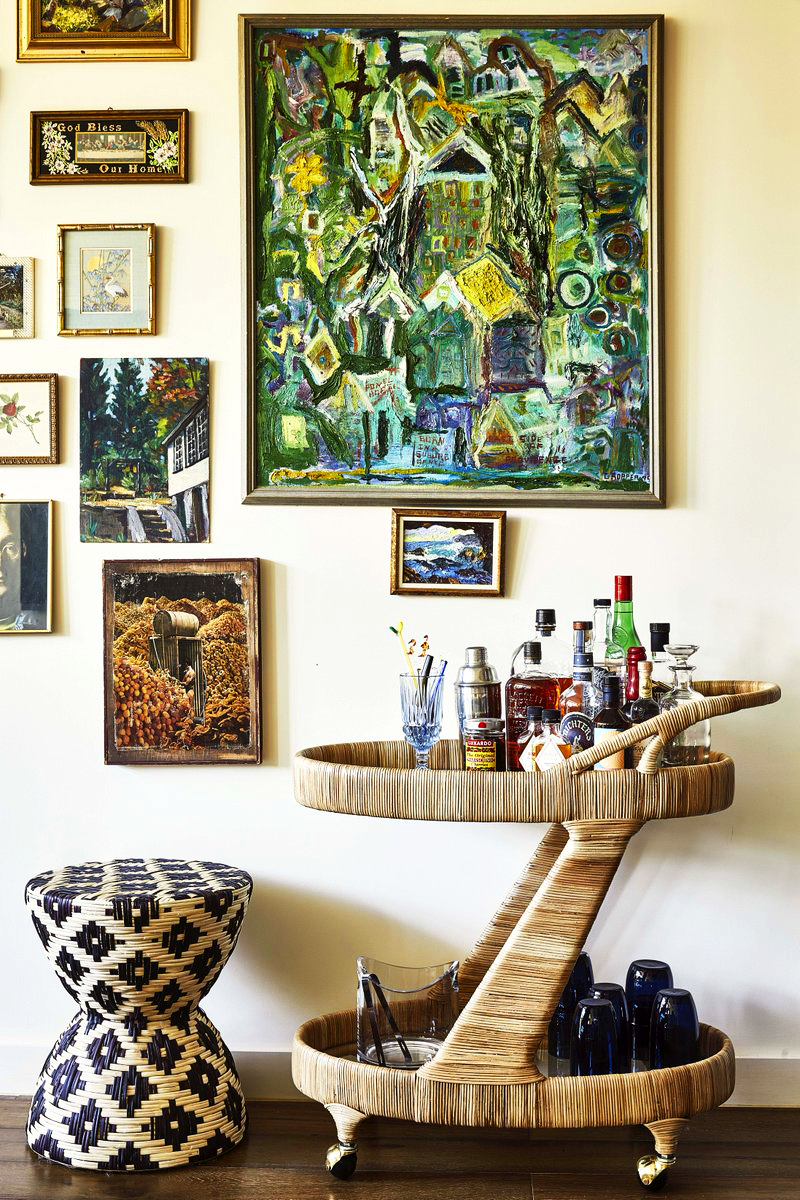

NYC Textured Cocktail Caddy via Mally Skok Design
In the NYC home that follows, this sensibility comes alive through a dynamic play of texture and form—from a gallery-style wall spattered with an array of wooden frames in varying shapes and sizes, each piece adding its own narrative, to a textured drink cart and side-stool wrapped in bamboo that introduces an unexpected, tactile contrast beneath.
Elsewhere, a woven table set between two chairs sits effortlessly in front of an expansive floor-to-ceiling window, its natural texture softening the light and grounding the space.
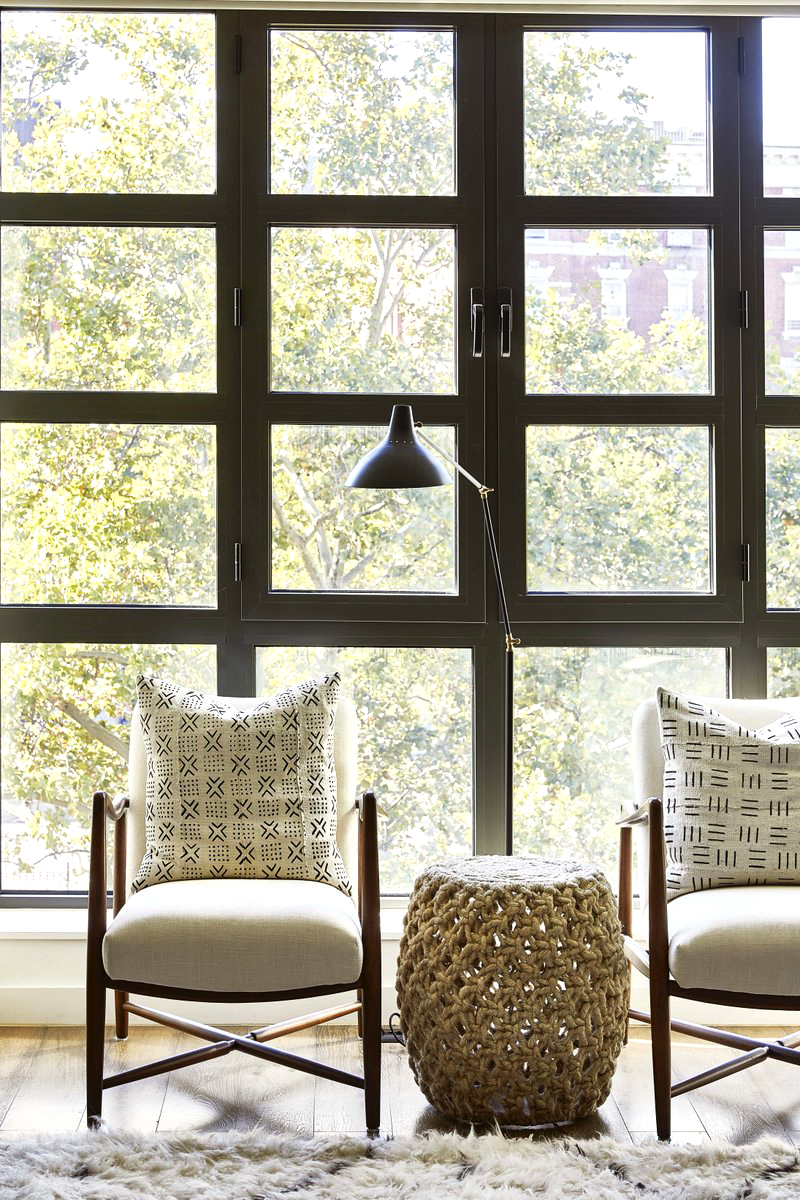
NYC Textured Side Table via Mally Skok Design
And in the bedroom, an ornate wall of sculptural metal—featuring organic leaves, winding vines, and even integrated functional elements—creates a striking focal point above a layered bed of richly textured fabrics and fur pillows. The result is a series of spaces that feel collected over time, where every surface invites touch and every detail contributes to a sense of depth, warmth, and individuality.
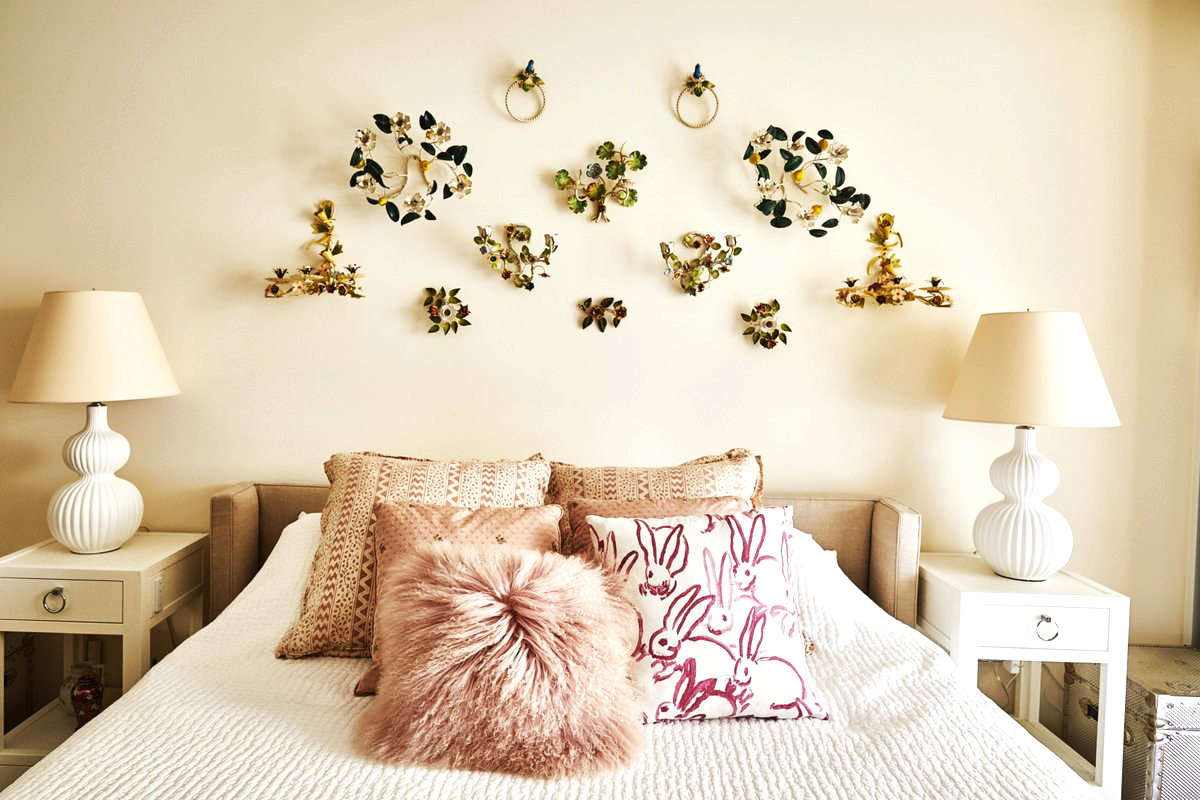

NYC Textured Wall via Mally Skok Design
At its core, this movement reflects a broader desire for authenticity—homes that feel collected over time rather than overly styled or uniform.
As with many of this season’s trends, texture plays out differently depending on the home. In condos, it becomes essential in softening minimal architecture—introducing bouclé, woven materials, and plaster finishes adds immediate warmth and prevents spaces from feeling flat. In single-family homes, layered materials bring intimacy to larger rooms, particularly in kitchens and family spaces where comfort and livability are key. And in historic brownstones, textural finishes enhance age and patina, celebrating the subtle imperfections that give these homes their depth and character.
The result is a more grounded, sensory experience—spaces that not only look beautiful, but feel it as well.
NATURAL & DARK WOOD TONES RETURN
Wood is making a strong return this season, particularly in warmer, deeper finishes that bring a sense of richness and grounding to interior spaces.
Design studios like Trevor Fulmer Design are embracing materials such as walnut, burl, and ebonized wood—introducing depth, contrast, and a level of craftsmanship that feels both timeless and current.
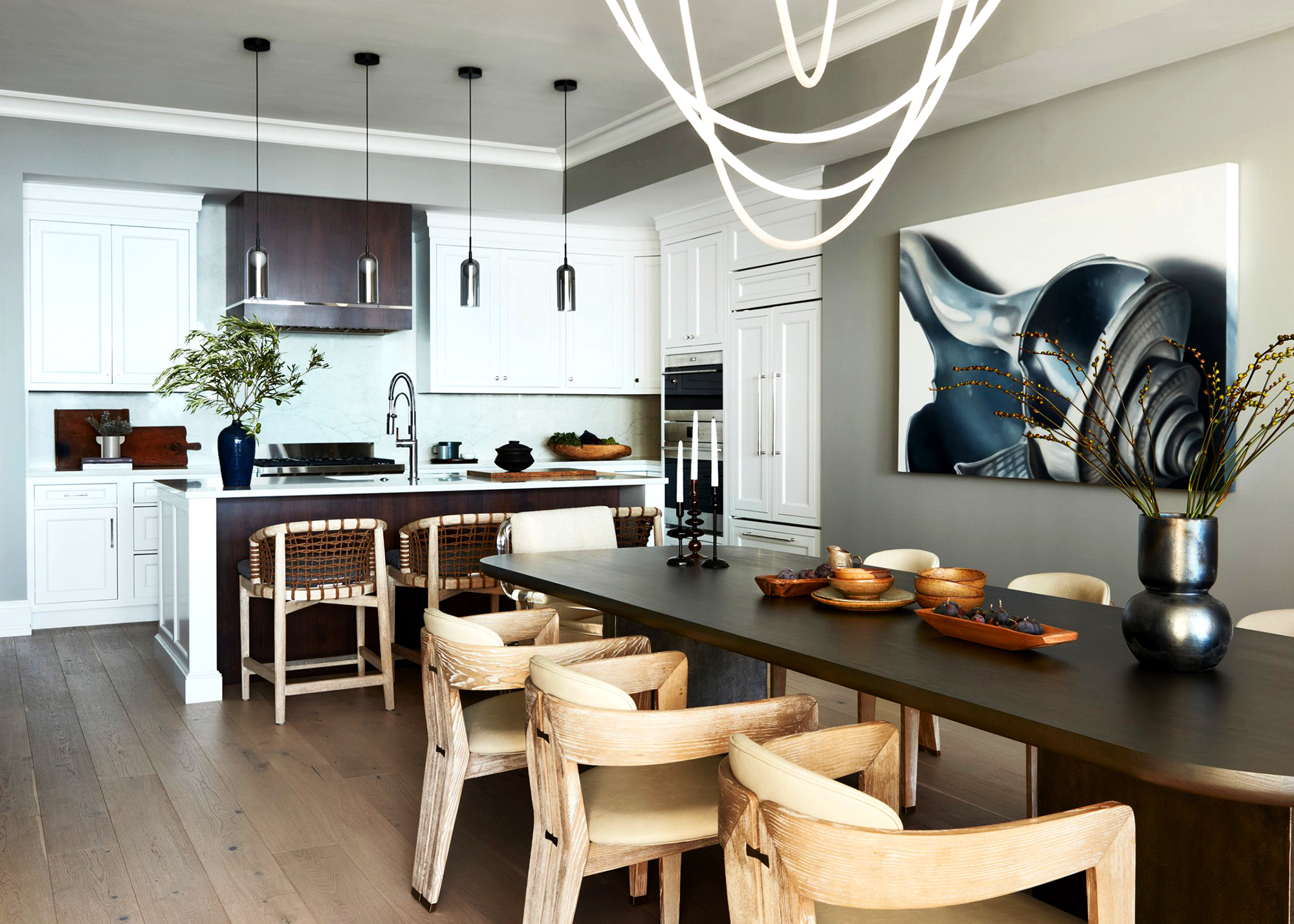

A Return to Deep Wood Tones via Trevor Fulmer Design
This shift reflects a broader move away from overly light, uniform interiors toward spaces that feel more layered and substantial. In airy condos, darker wood elements—whether through furniture, cabinetry, or flooring—help anchor the space, creating contrast against softer, neutral palettes.
In modern single-family homes, wide-plank floors and custom mill work introduce warmth and texture into otherwise clean-lined architecture. And in historic brownstones, these richer tones often echo or thoughtfully restore original details, creating a seamless dialogue between old and new.
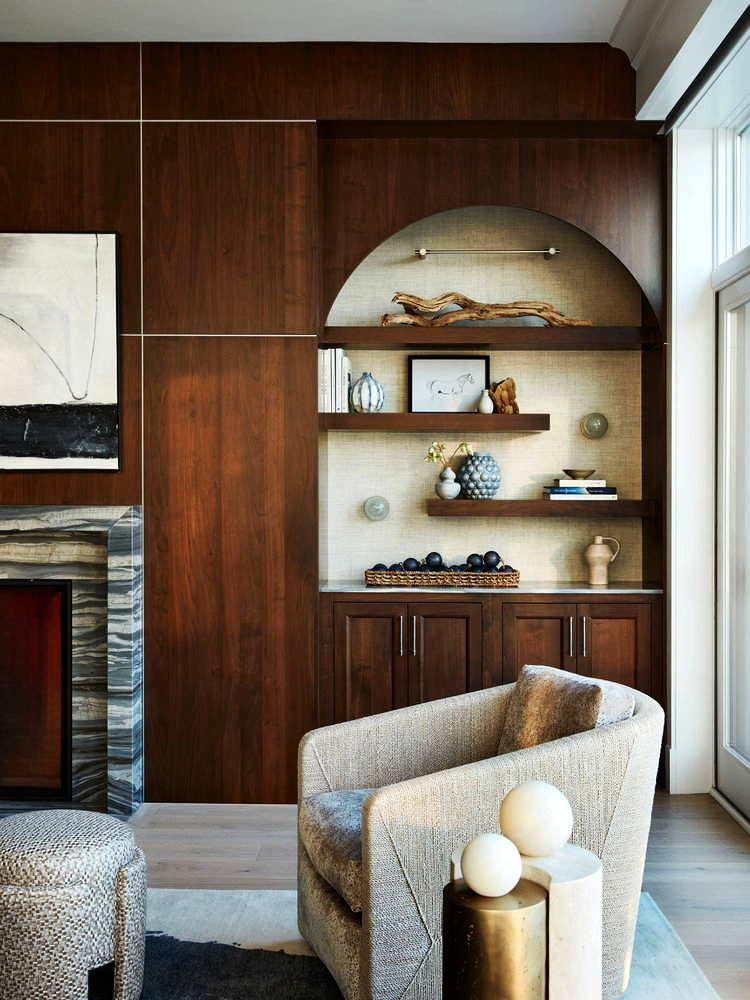

A Return to Deep Wood Tones via Trevor Fulmer Design
More than a passing trend, these finishes bring a sense of permanence and authenticity—adding weight, character, and a quiet sophistication that elevates the overall design.
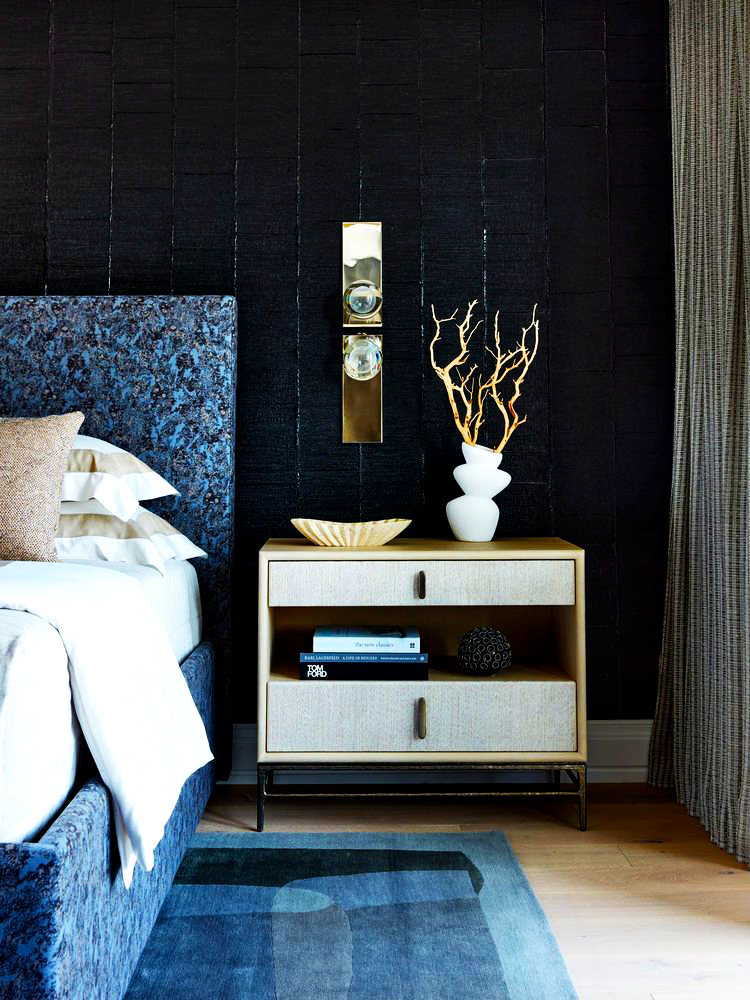
A Return to Deep Wood Tones via Trevor Fulmer Design
MODERN HERITAGE: WHERE OLD MEETS NEW
In a city as rich in history as Boston, modern heritage design continues to gain momentum—bringing together classic architectural detail and contemporary livability in a way that feels both timeless and relevant.
Firms like Dane Austin Design are known for seamlessly blending traditional elements with modern updates, while Rachel Reider Interiors incorporates vintage and collected pieces to create spaces that feel layered, personal, and deeply considered.
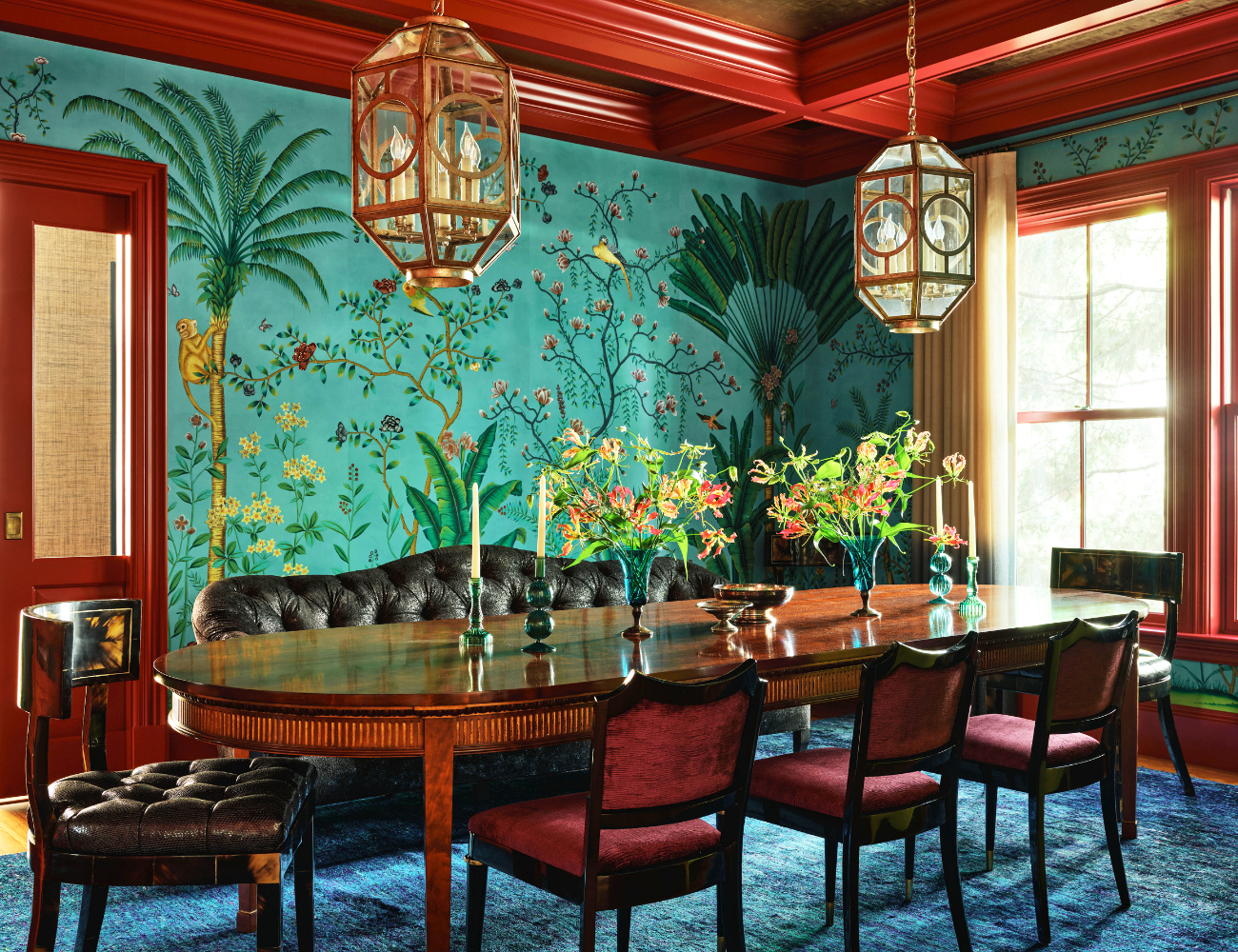

A Splash of Color Meets Tradition via Reider + Co
This balance takes shape differently across each property type. In condos, even a few thoughtfully chosen vintage pieces—such as lighting or a statement chair—can introduce warmth and contrast within a more contemporary setting. In single-family homes, the integration of traditional mill work with modern furnishings creates a refined, transitional aesthetic. And in historic brownstones, the layering of restored architectural features with contemporary design allows the home’s original character to remain front and center while still supporting modern living.
The result is an environment that feels grounded, timeless, and intrinsically connected to place.
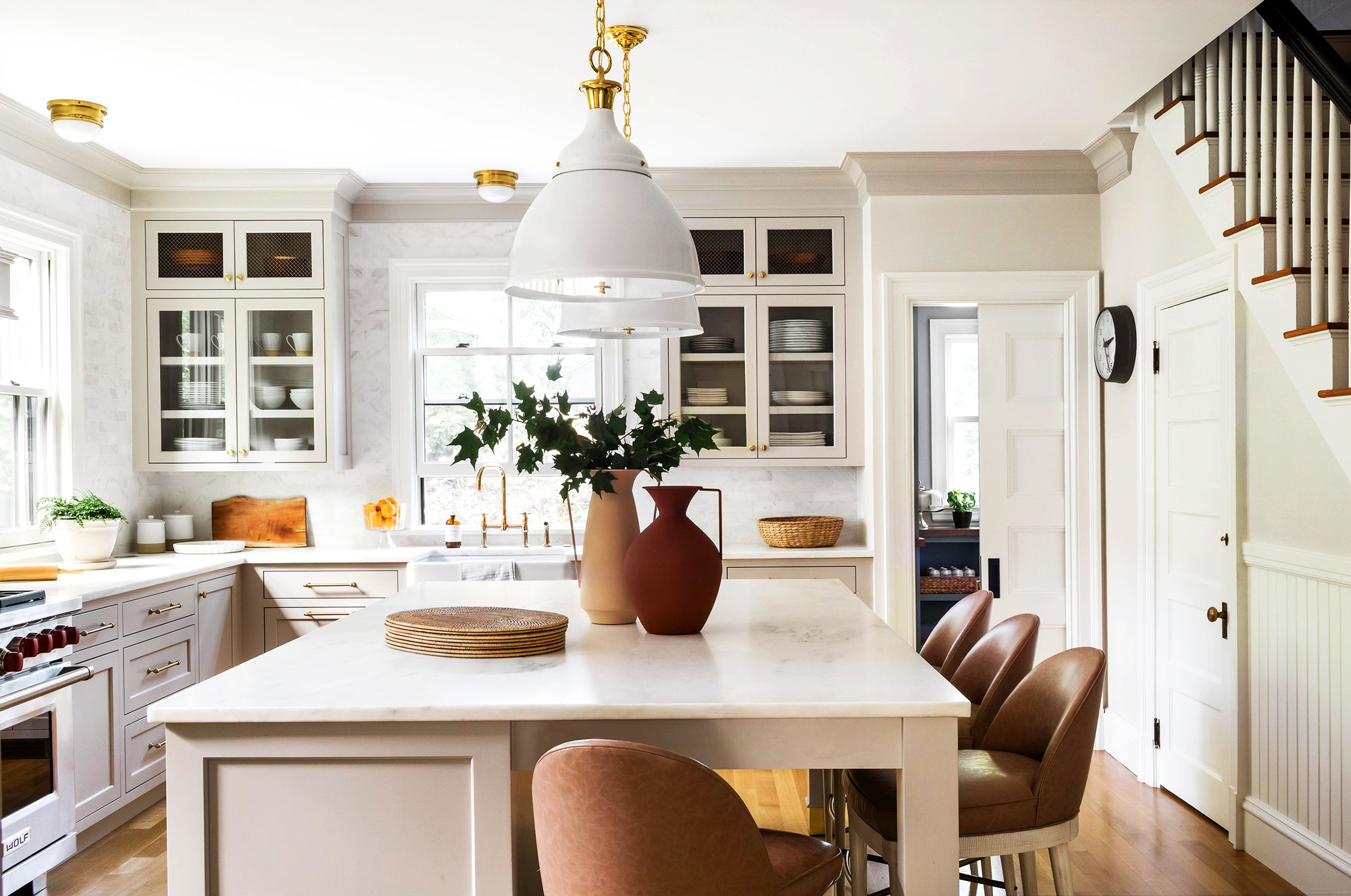

Statement Stone Island via Elms Interior Design
STATEMENT STONE & ARTISAN DETAILS
Kitchens and bathrooms are becoming more expressive this season, with a growing emphasis on statement materials and artisan craftsmanship.
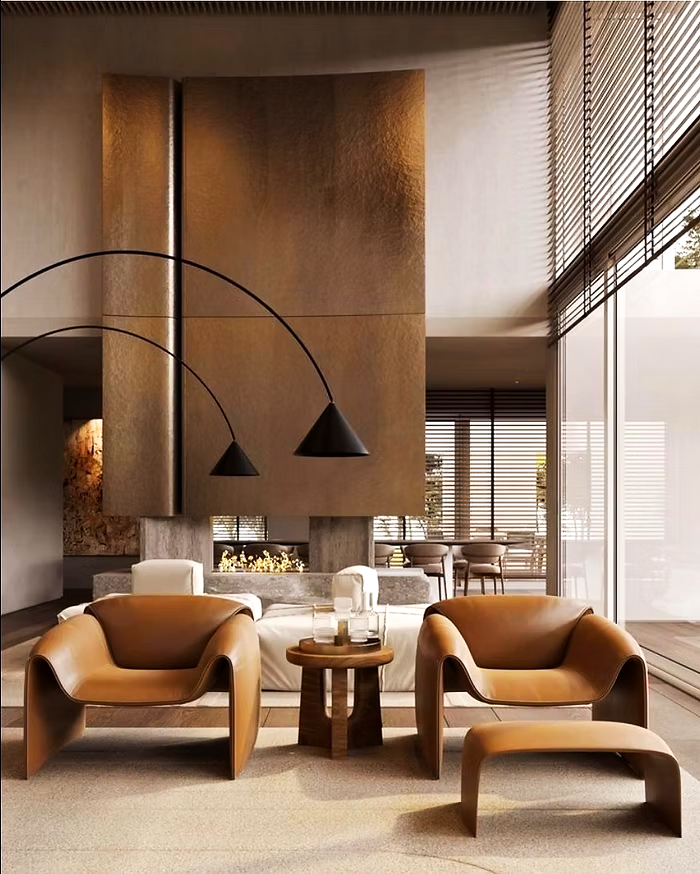

Stone Backdrop x Timeless Naturals via Interlux Interiors
In condos, statement stone often becomes the focal point of an open kitchen—waterfall islands and dramatic backsplashes anchoring the space with both form and function. In single-family homes, layering stone with wood and metal finishes creates a custom, highly curated feel that reflects a deeper level of craftsmanship. And in brownstones, pairing bold stone with classic cabinetry offers a sophisticated update that honors the home’s traditional roots.
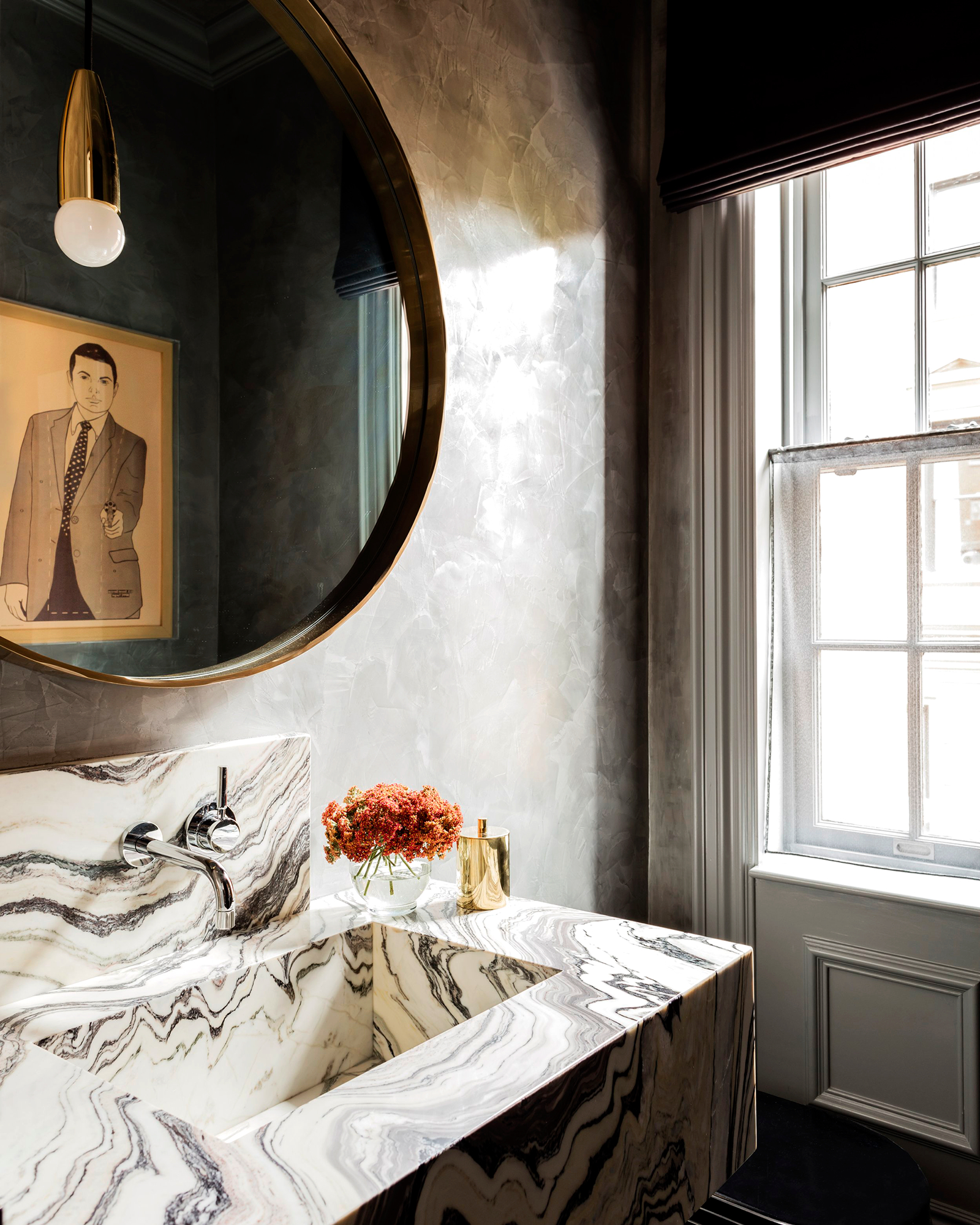

Swirling Marble & Mixed Metals via Elms Interior Design
Designers such as Twelve Chairs are embracing full-slab stone installations—creating striking, uninterrupted surfaces—while Elms Interior Design incorporates mixed metals to add depth, contrast, and a tailored finish.
This trend is about celebrating stone by bringing artistry, individuality, and a sense of permanence into everyday spaces.
INTENTIONAL, STORY-DRIVEN SPACES
One of the most meaningful shifts in 2026 is the move toward more intentional, story-driven design—where each space reflects not just style, but the people who live within it.
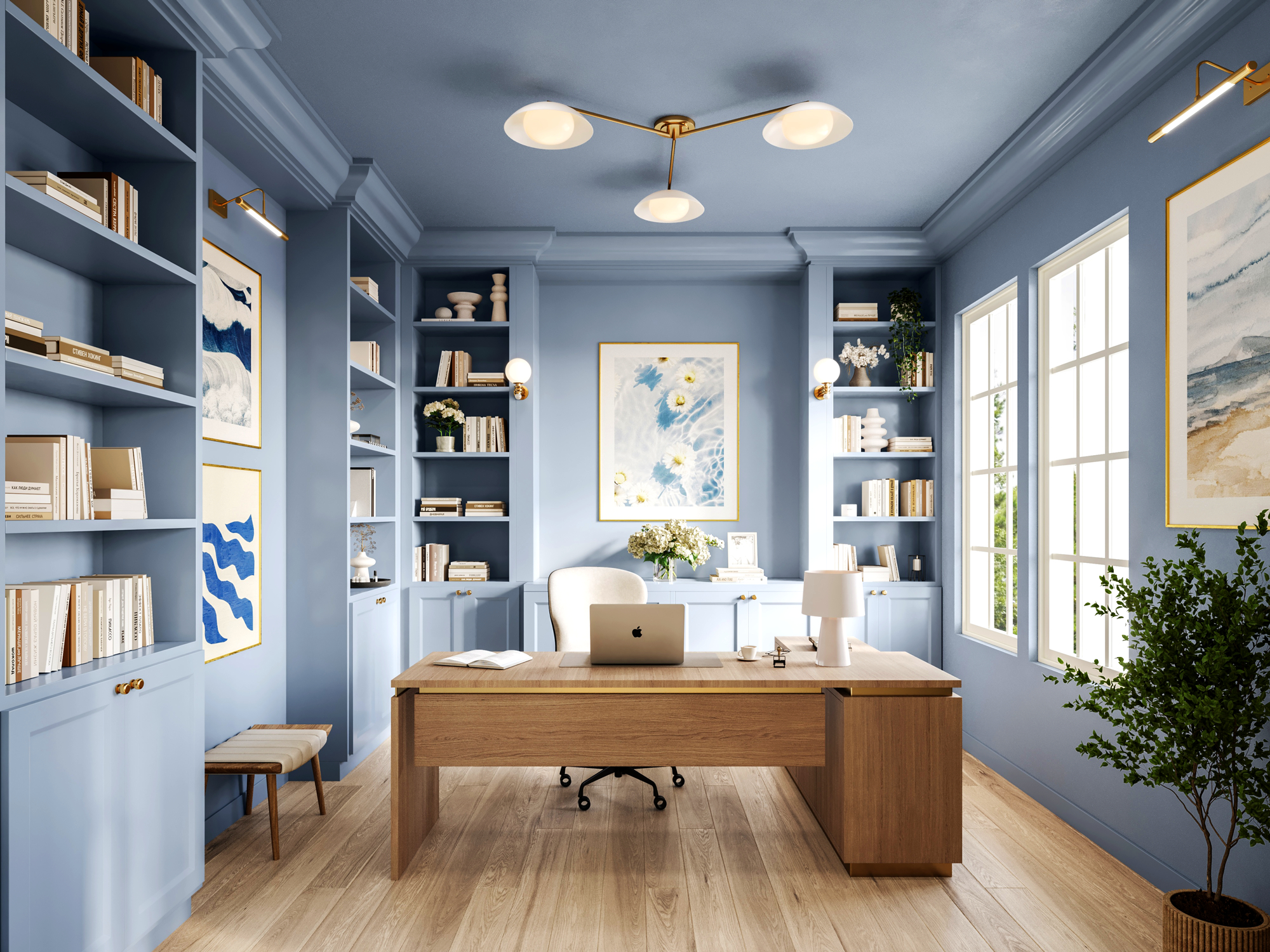

Kennebunk Studio Story Style via Jessie K Homes
In the studio office above, designed by Jessie K Homes, that sense of identity is immediately felt. A periwinkle blue color drench sets the tone, creating a calm yet expressive backdrop, while organic-shaped wall art and landscape imagery add layers of visual interest and meaning. Natural light, carefully placed greenery, and soft, inviting furnishings further shape the atmosphere, while even the arrangement of books and supplies feels intentional—less about perfection, more about personality. The result is a space that feels distinctly lived-in and authentic, where every detail offers a glimpse into the life and character of its inhabitant.
Firms like Reider + Co and Jessie K Homes are leading this approach, creating highly personalized interiors that are thoughtfully tailored to each homeowner’s lifestyle, routines, and sense of identity. Each space is thoughtfully composed, with every element chosen not just for how it looks, but for how it contributes to a larger, personal story.
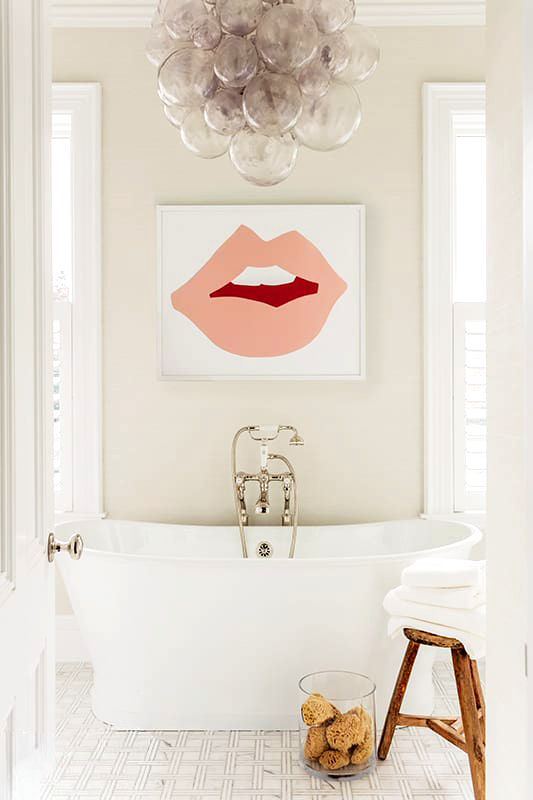

Refined South End Brownstone via New England Home
In condos, this often translates to a careful sense of editing—where every piece serves a purpose and contributes to a cohesive, considered vision. In single-family homes, spaces are shaped around how families truly live, with an emphasis on comfort, function, and natural flow. And in brownstones, the layering of antiques, artwork, and collected objects creates a rich, evolving narrative that unfolds organically from room to room.
This philosophy aligns closely with the “slow decorating” movement, highlighted by these notable designers where meaning, craftsmanship, and longevity take precedence over fleeting trends.
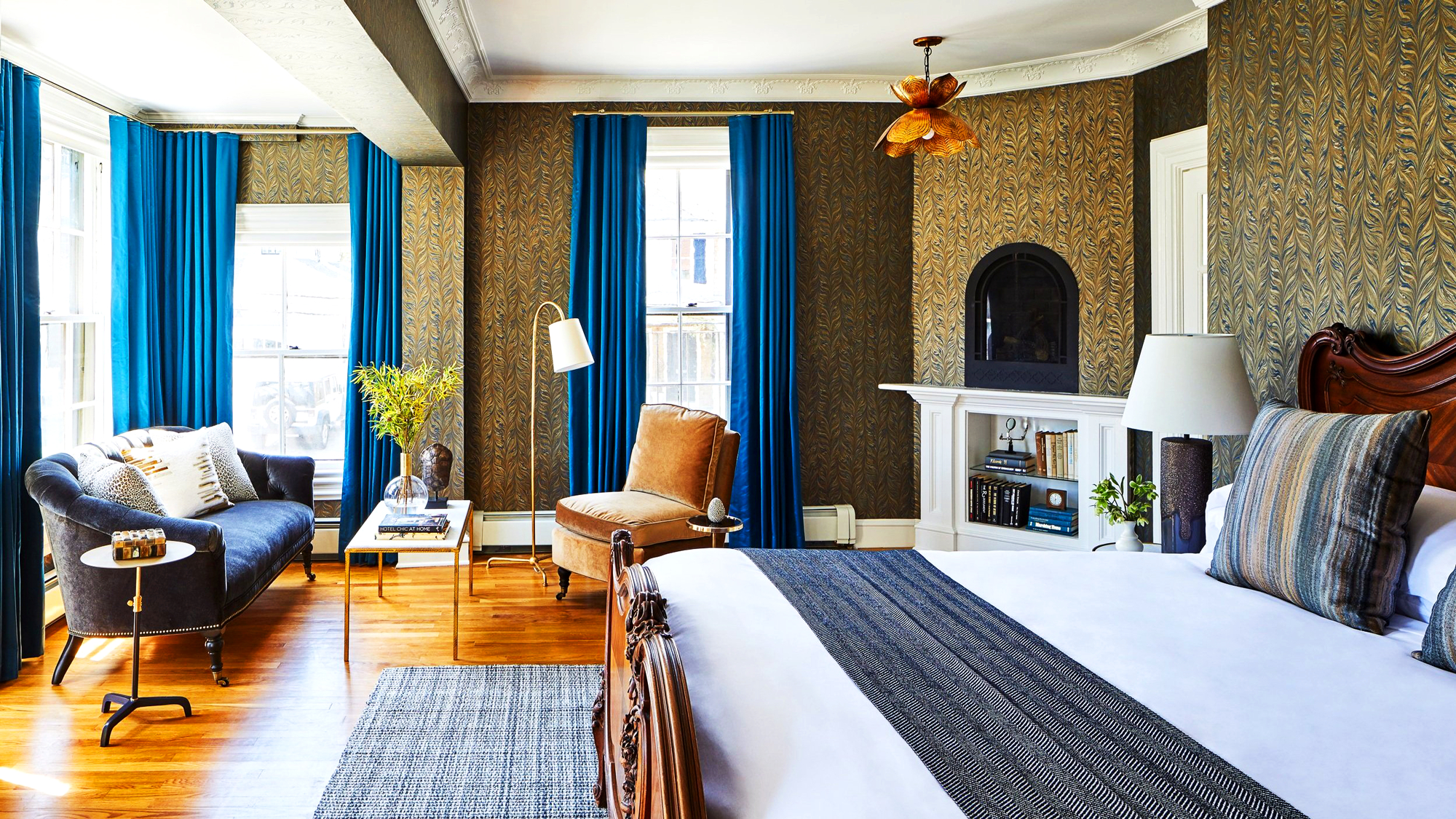

Elegant & Ornately Accented Suite via Reider + Co
DESIGNED FOR LIVING: WELLNESS & FLEXIBILITY
Today’s homes are increasingly being designed to support not just how we live—but how we feel. What was once considered a luxury is quickly becoming essential, as homeowners seek spaces that nurture both mental clarity and physical well-being in their everyday routines.
Designers are responding with a more holistic approach—integrating dedicated wellness zones like yoga and meditation rooms, private gyms, and spa-inspired bathrooms that transform daily rituals into restorative experiences.
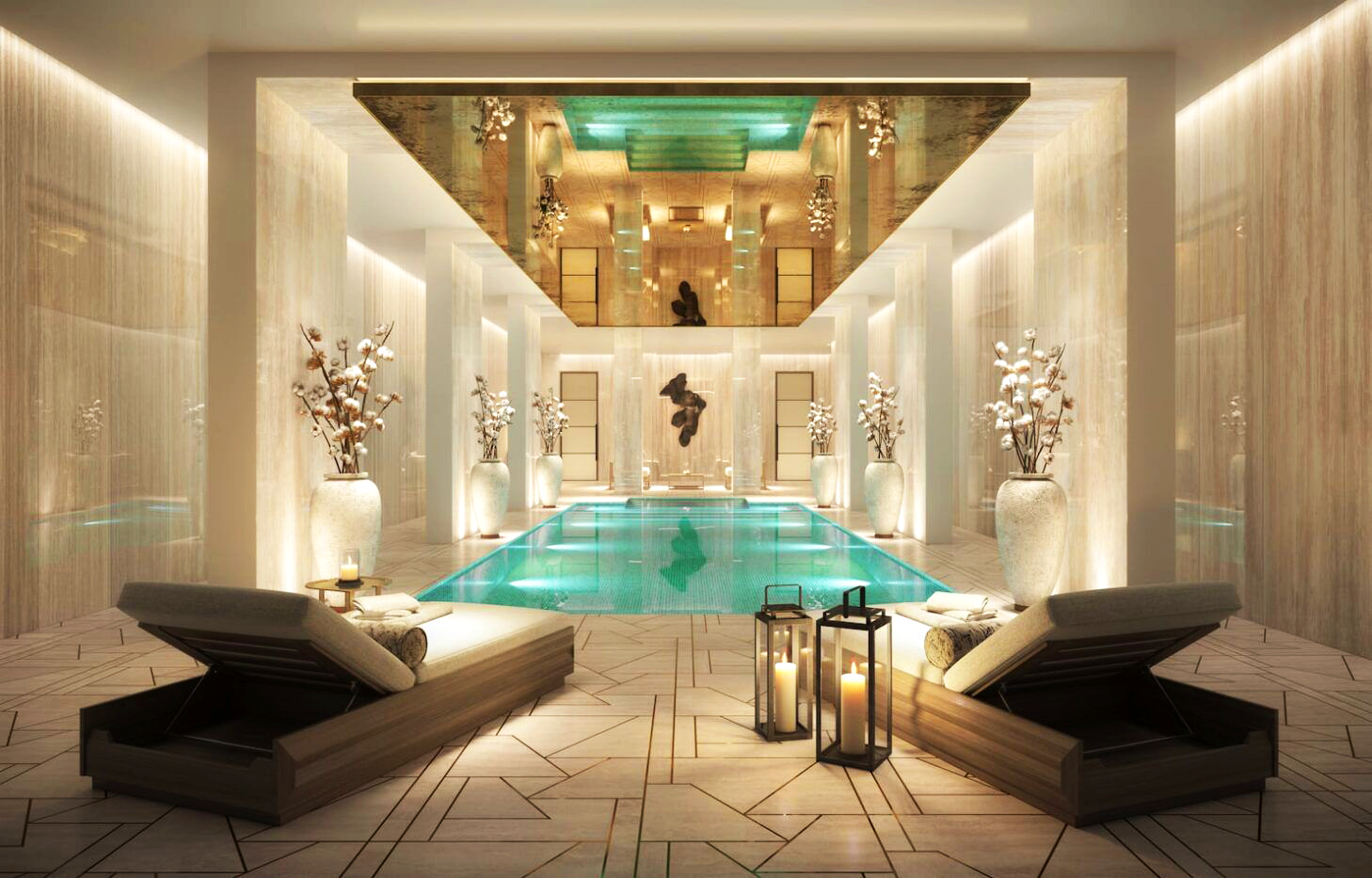

10 Homes with Next Level Spa Rooms via The Study
Increasingly, these spaces extend beyond a single room: indoor pools, swim spas, and hydrotherapy areas are being thoughtfully incorporated to create year-round retreats that balance movement and relaxation, often paired with saunas or steam rooms for a fully immersive experience.
The modern home spa has evolved into something far more experiential. Indoor-outdoor steam rooms, saunas, and massage areas are designed to mirror high-end wellness destinations, often layered with natural materials, ambient lighting, and sensory elements that encourage relaxation and recovery. These spaces are no longer tucked away—they are becoming central to the home’s design narrative, reinforcing the idea that well-being should be seamlessly integrated into daily life.
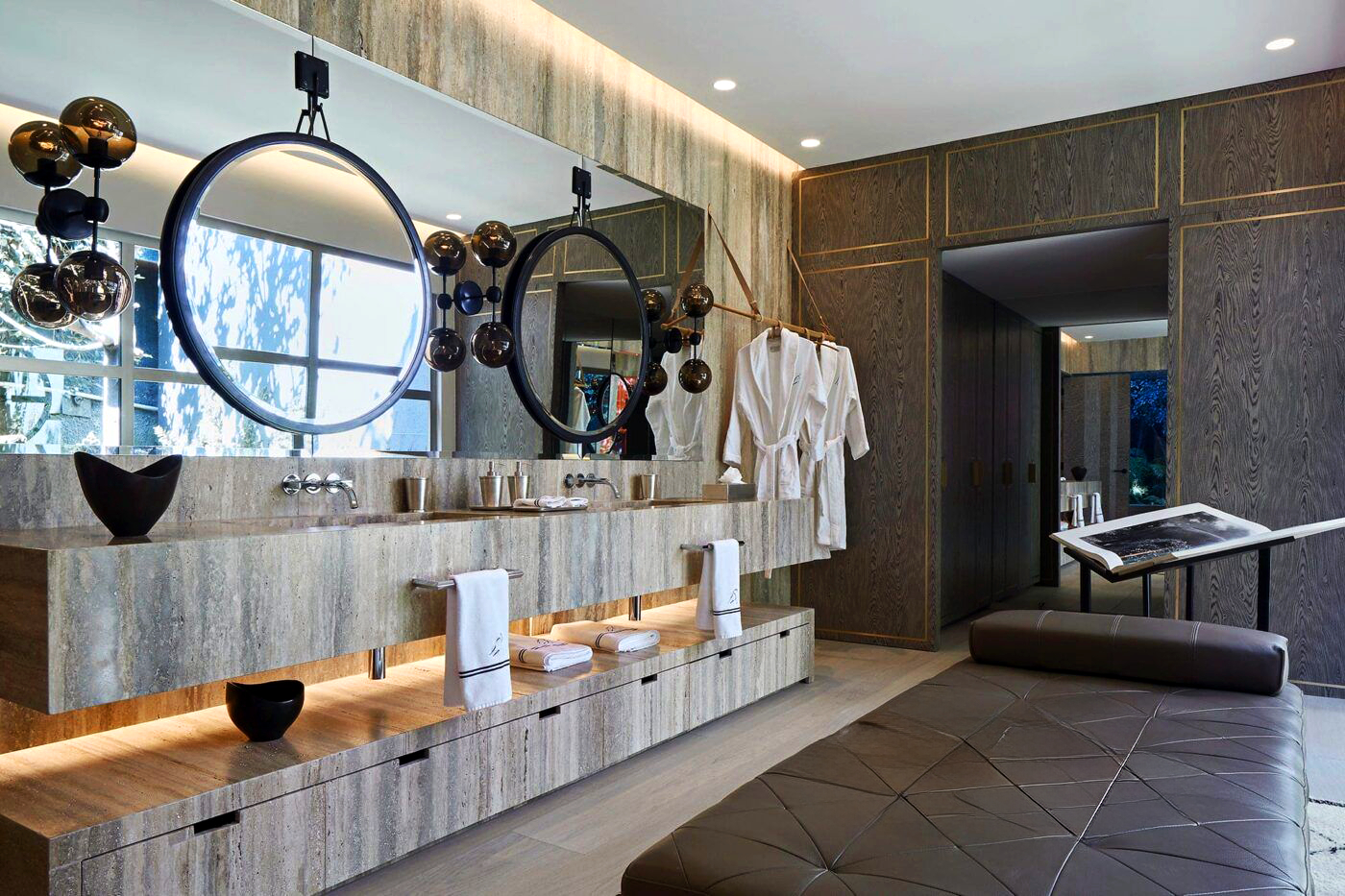

Master Suite Massage Room via The Study
Flexibility remains key. Wellness is no longer confined to a single function or space—it’s woven throughout the home, from multipurpose rooms that shift from fitness to relaxation, to quiet corners designed for reflection and recharge. As the pace of life outside continues to accelerate, interiors are evolving in the opposite direction—becoming slower, softer, and more intentional, offering a daily refuge that prioritizes balance, restoration, and overall well-being.
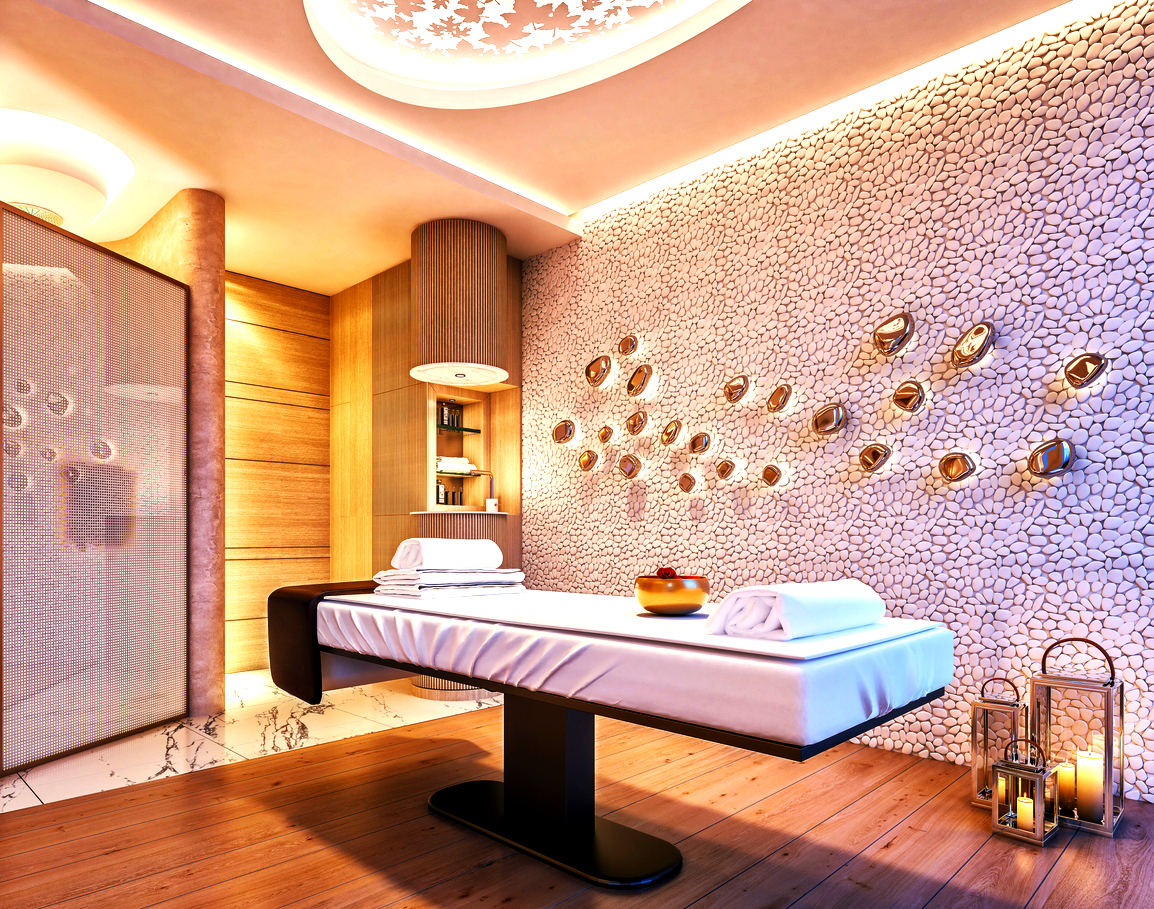

Add a Home Wellness Room via Michelle’s Interiors
For those looking to bring this experience home, investing in a thoughtfully designed sauna has become an increasingly appealing option. Models like the Nordbo from Sunhaven Saunas offer a refined, indoor-outdoor solution—combining clean Scandinavian design with high-performance wellness benefits.
Whether integrated into a primary bath, a backyard retreat, or a dedicated wellness suite, these saunas create a private sanctuary for daily reset. It’s a natural extension of the modern home spa: accessible, intentional, and designed to support both physical restoration and mental clarity, right within the rhythm of everyday life.
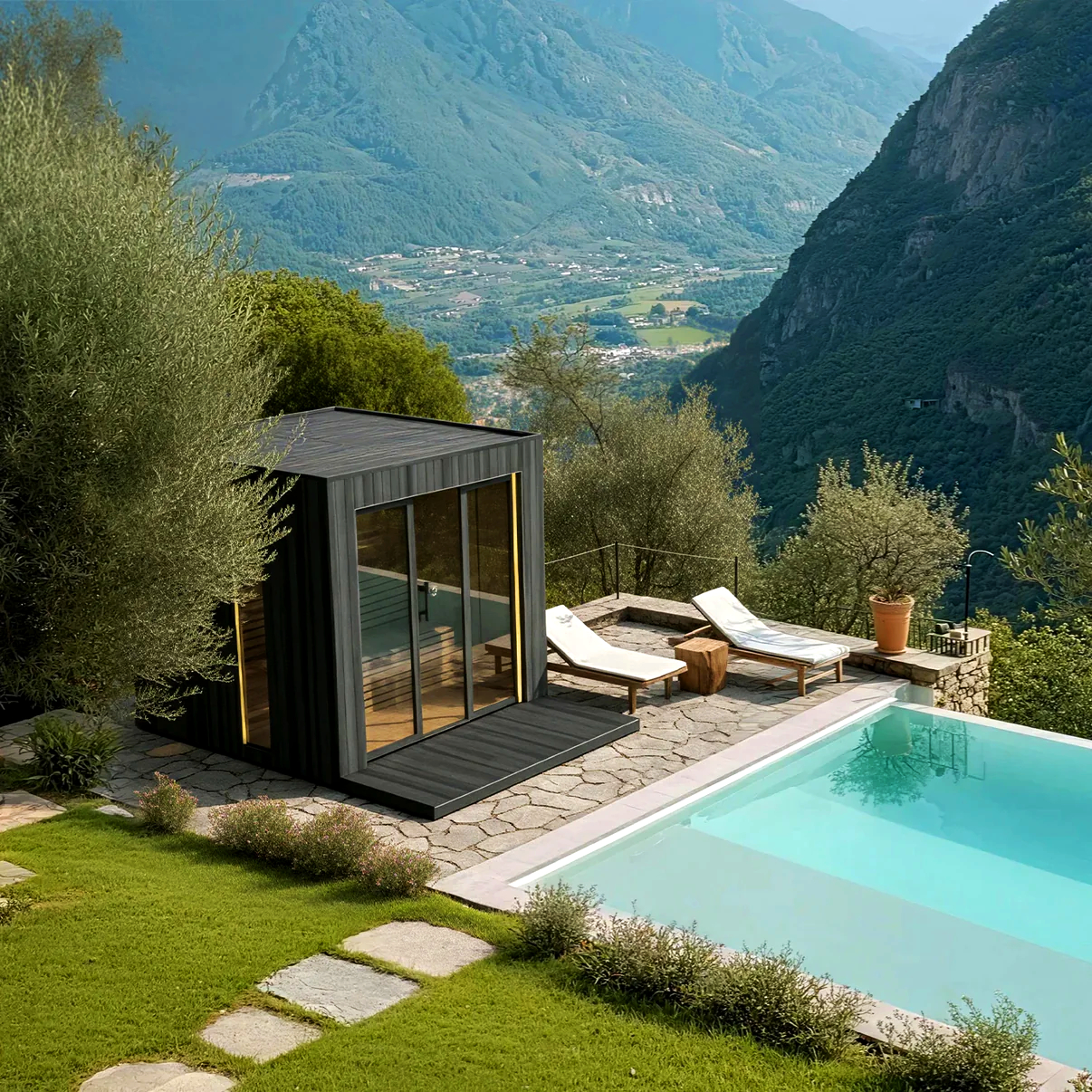

Norbo Indoor Outdoor Luxury Sauna via Sun Haven
And this broader wellness cultural shift isn’t just taking place in our homes — this one is redefining how we socialize and unwind.
Sauna culture, once considered a solitary or post-workout ritual, is quickly emerging as the next social experience. In places like Timbre Thermal Retreat, rooted in global bathhouse traditions, guests gather for guided sauna sessions, cold plunges, and breathwork rituals designed to foster both connection and restoration.
These communal wellness experiences draw from centuries-old practices—Roman baths, Nordic saunas, and Japanese onsens—all historically centered around both healing and human connection.
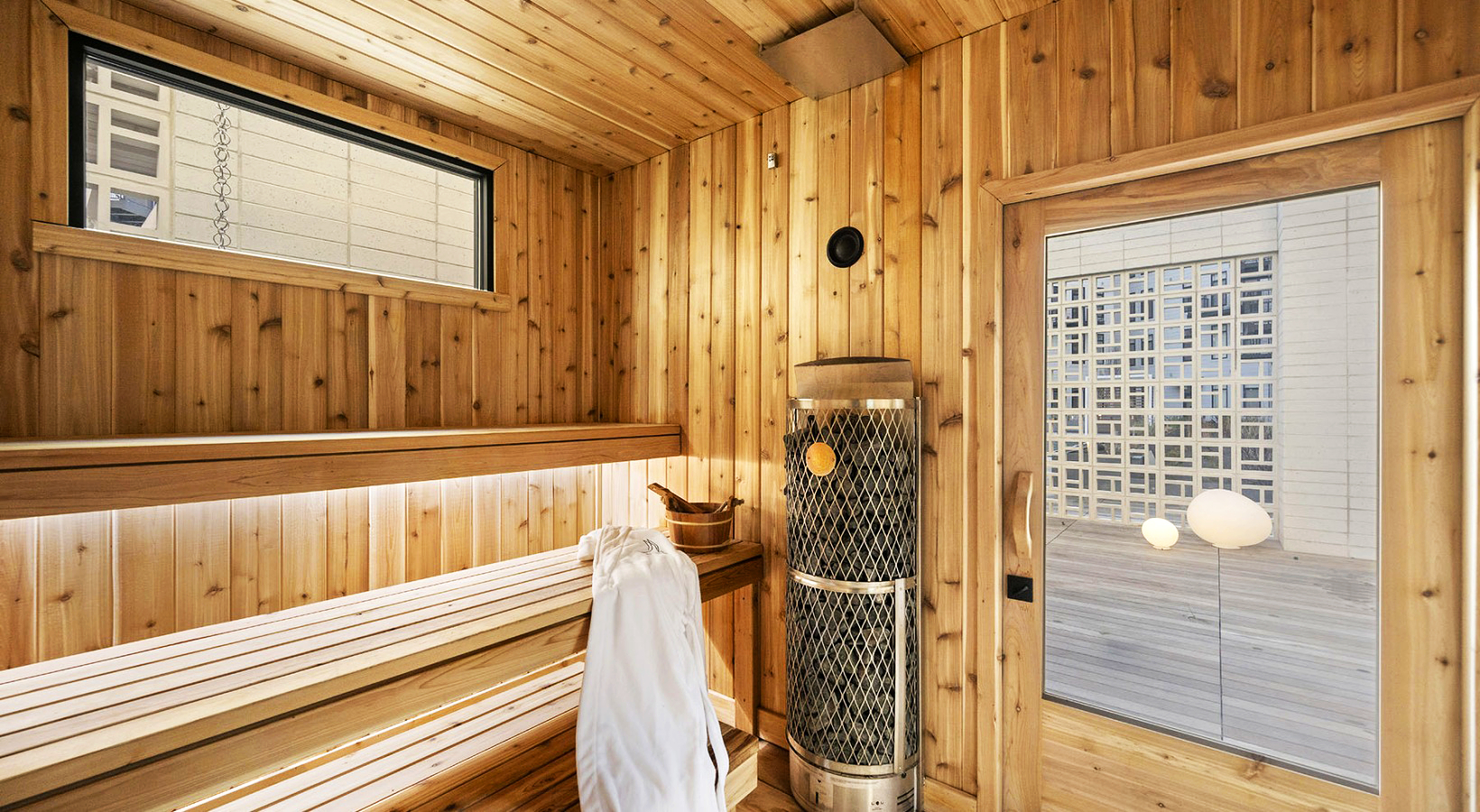

Timbre Sauna Experience via Branded Living
This growing “social wellness” movement reflects a deeper shift: people are seeking connection in ways that support their health rather than detract from it. And as this mindset moves into residential design, it’s easy to imagine these rituals being brought home—whether through a private sauna, a cold plunge, or a dedicated wellness suite. Experiencing it firsthand at a retreat offers a compelling glimpse into what the future of at-home wellness could look like.
Outdoor living continues to expand as a natural extension of this wellness-driven mindset, with firms like Dan Gordon Landscape Architects and Ted Carter Landscapes creating environments that blur the boundary between indoors and out.
Thoughtfully designed terraces, garden rooms, and layered landscapes become true living spaces—complete with outdoor kitchens, fire features, plunge pools, and even open-air saunas and cold plunges that echo the rituals found inside.
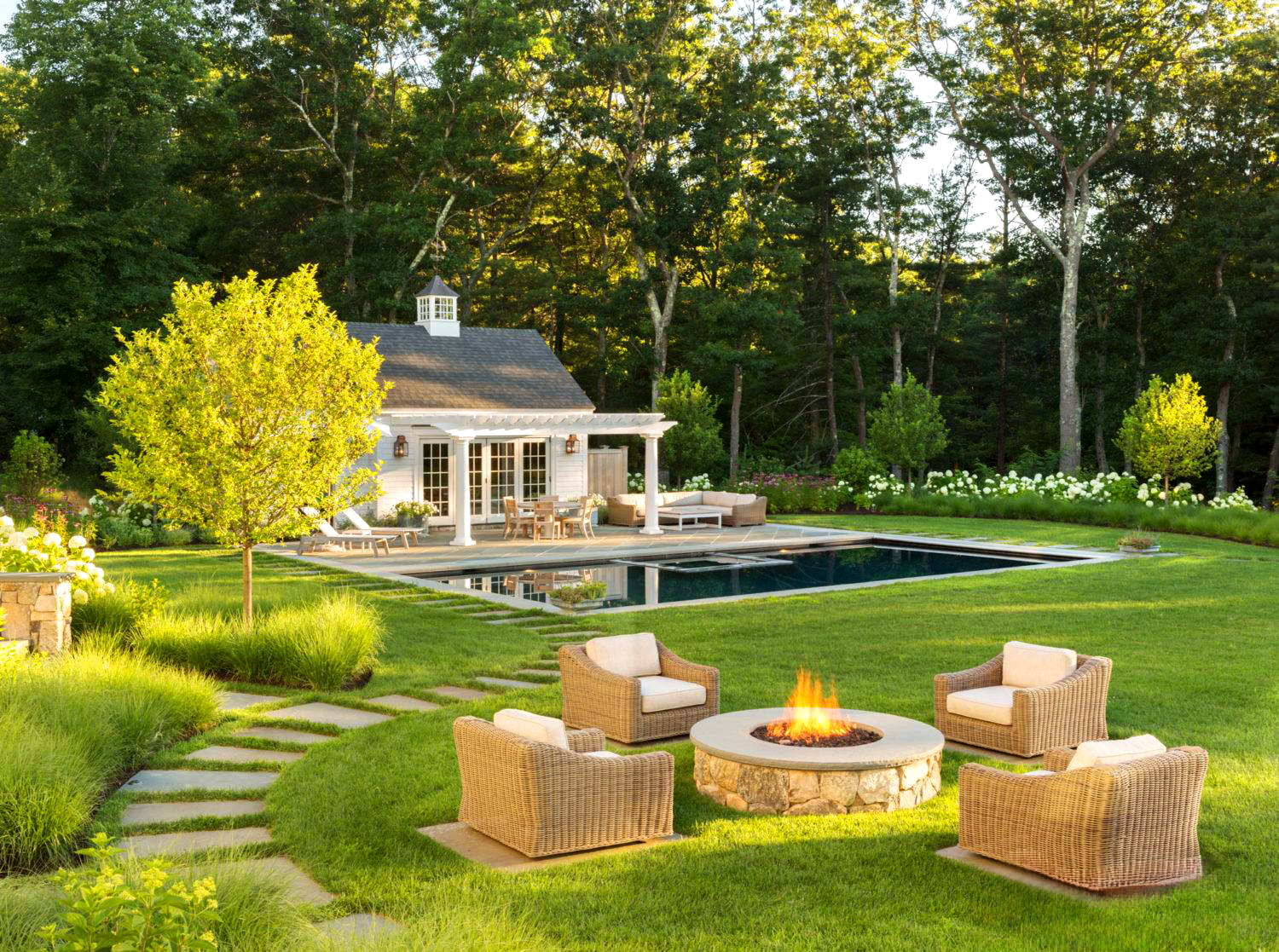

Backyard Sanctuary via Dan Gordon
These spaces are designed not just for entertaining, but for restoration—where the sound of water, the texture of natural stone, and the softness of planting palettes work together to create a sensory experience that encourages pause and connection.
Covered patios and transitional spaces allow for year-round use, reinforcing a seamless flow between interior comfort and the calming presence of nature.
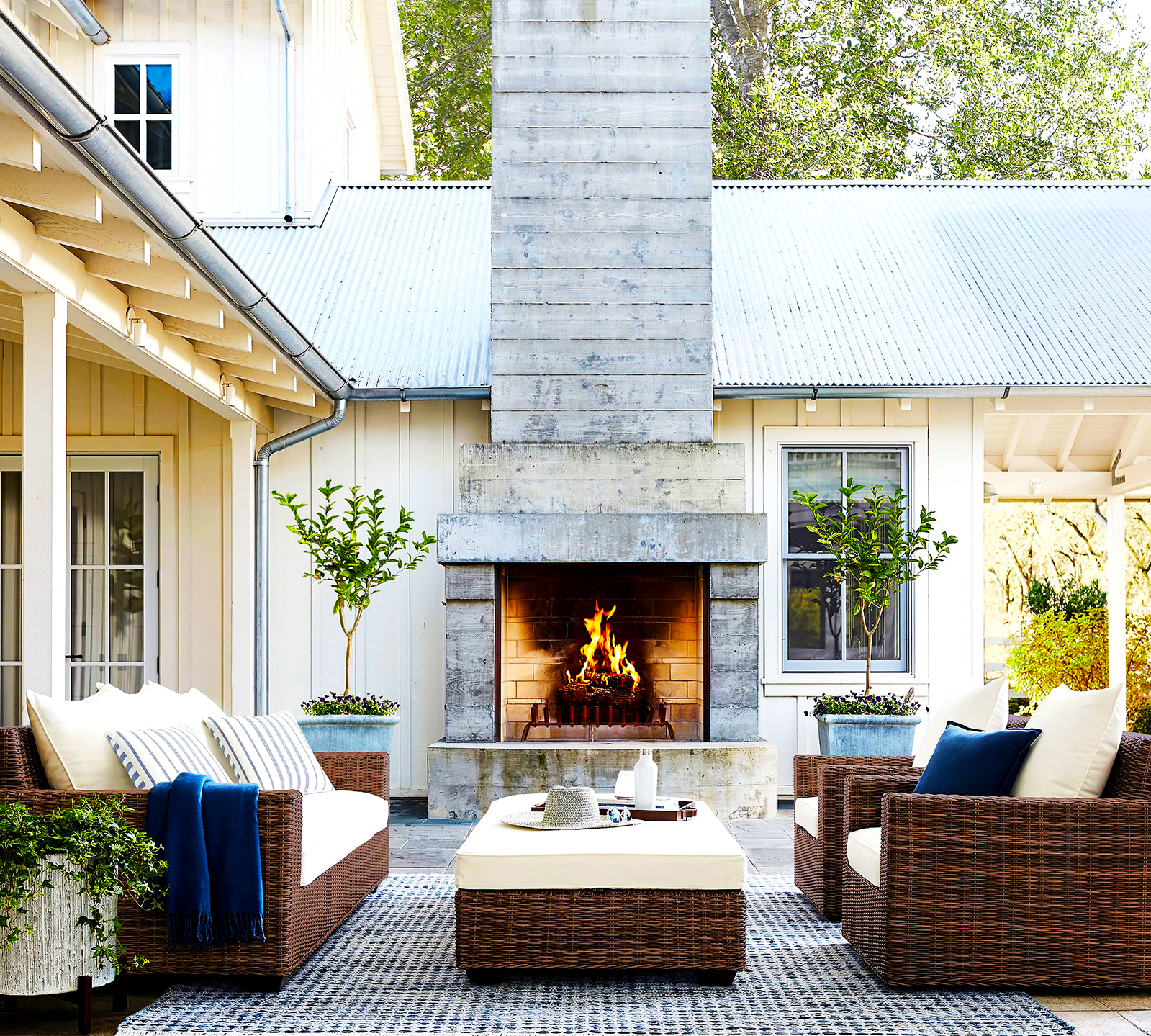

Torrey All Weather Wicker Sofa via Pottery Barn
From wellness-focused interiors by Blue Hour Design to highly adaptable, multi-functional layouts by Bergmeyer, today’s homes are being shaped with intention at every scale. The result is a holistic approach to living—where beauty and function are no longer separate ideas, but work in harmony to support a lifestyle that is balanced, flexible, and deeply restorative.
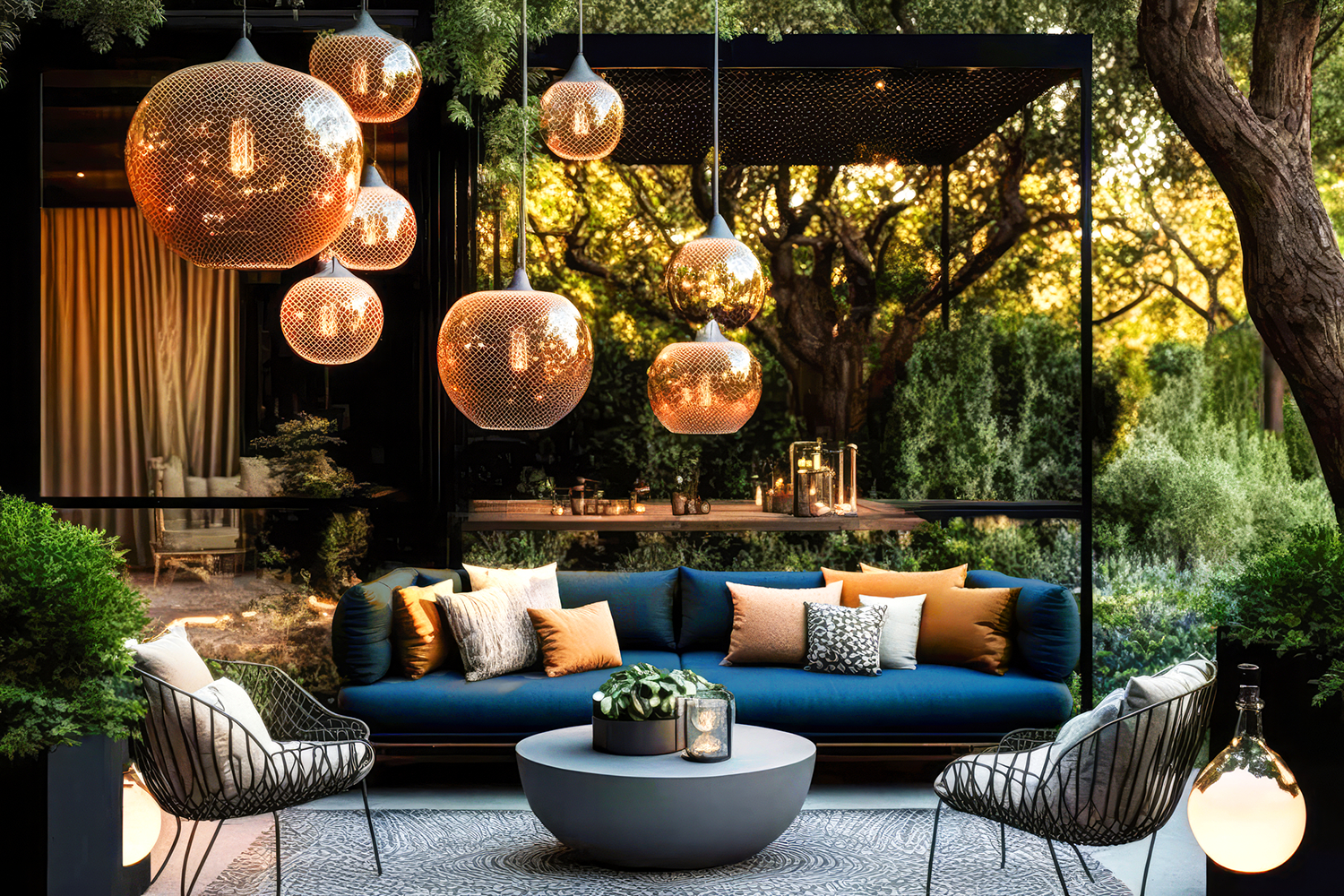

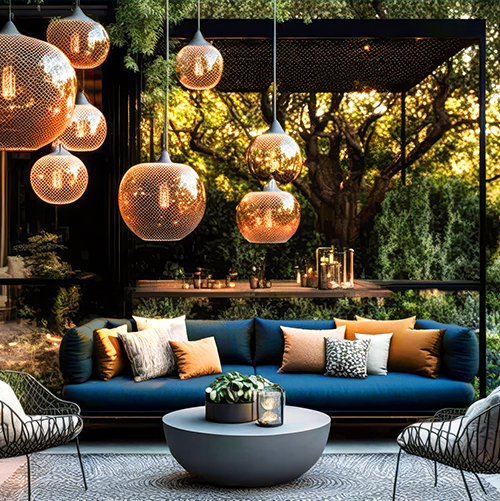
Dramatic Lighting Indoor/Outdoor Living
Design elements carry fluidly from one space to the next: hardwood flooring extends outward or is echoed in natural decking, fireplaces anchor both interior living rooms and outdoor lounges, and thoughtfully arranged seating areas invite gathering on either side of the threshold. Railings, walkways, and layered plantings guide movement through the space, while surrounding landscapes are designed as an extension of the home itself—framing views, softening architecture, and creating a continuous, immersive environment.
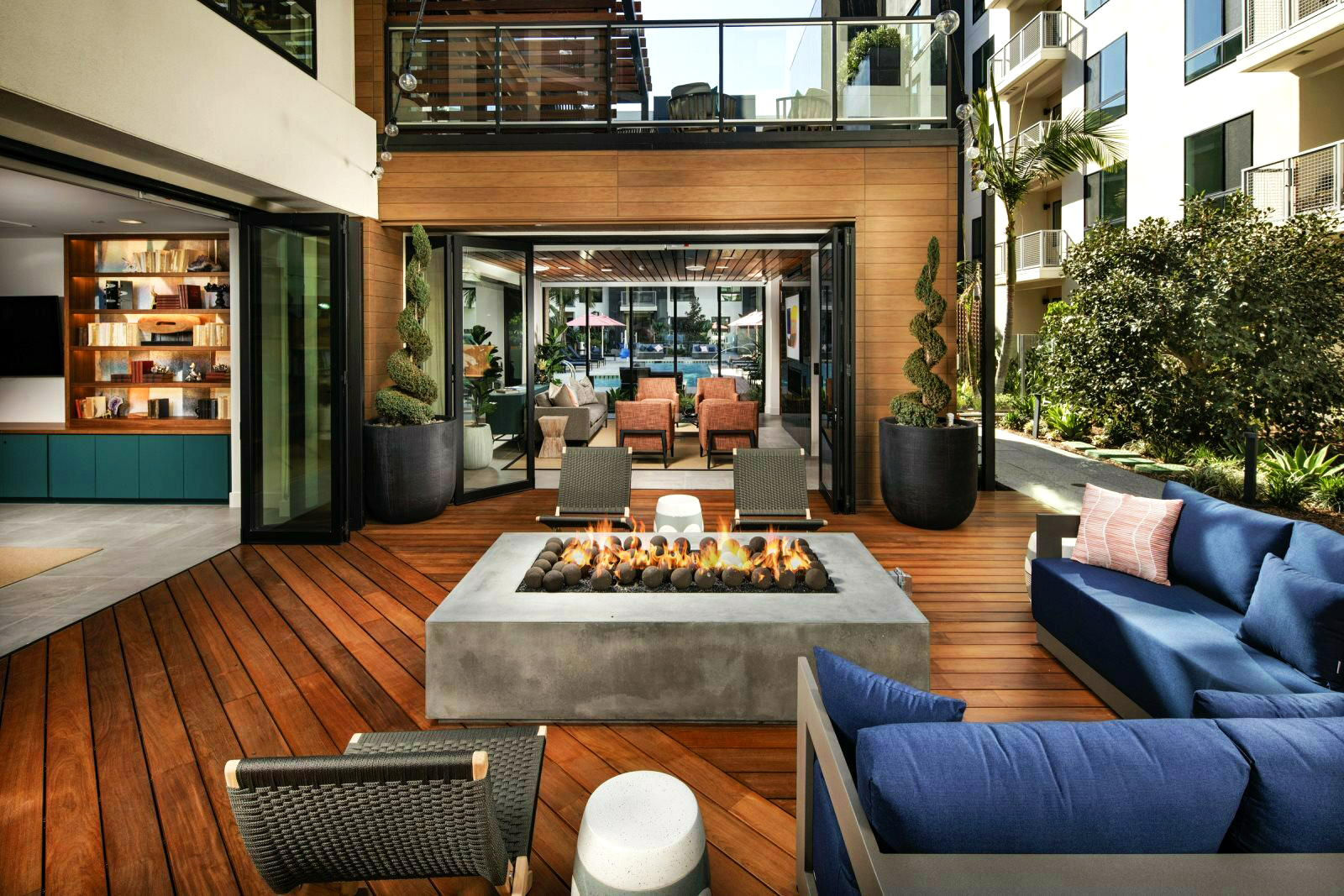

Indoor Outdoor Urban Living via Bergmeyer
The result is a holistic approach to living—where beauty and function are no longer separate ideas, but work in harmony to support a lifestyle that is balanced, flexible, and deeply restorative.
BRINGING IT ALL TOGETHER
Spring 2026 design is ultimately about balance—between beauty and comfort, tradition and innovation, structure and softness.
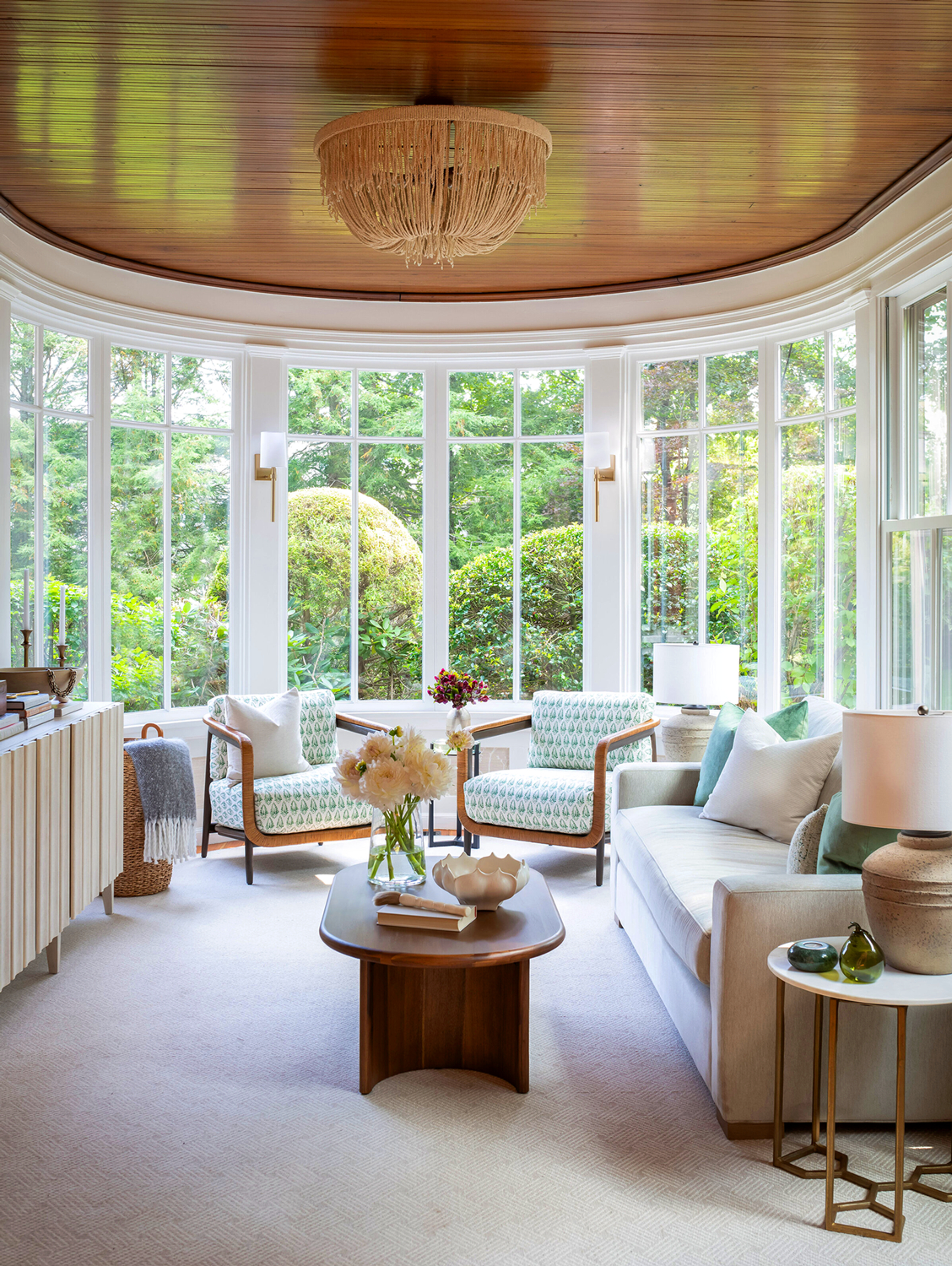

Bloomfield Sunroom via Glass House Design
Across Greater Boston, homes are evolving into spaces that feel warmer, more expressive, and more deeply personal than ever before. With inspiration from firms like Glass House Design Group,, the focus remains clear: creating interiors that are not only visually compelling, but genuinely lived in.
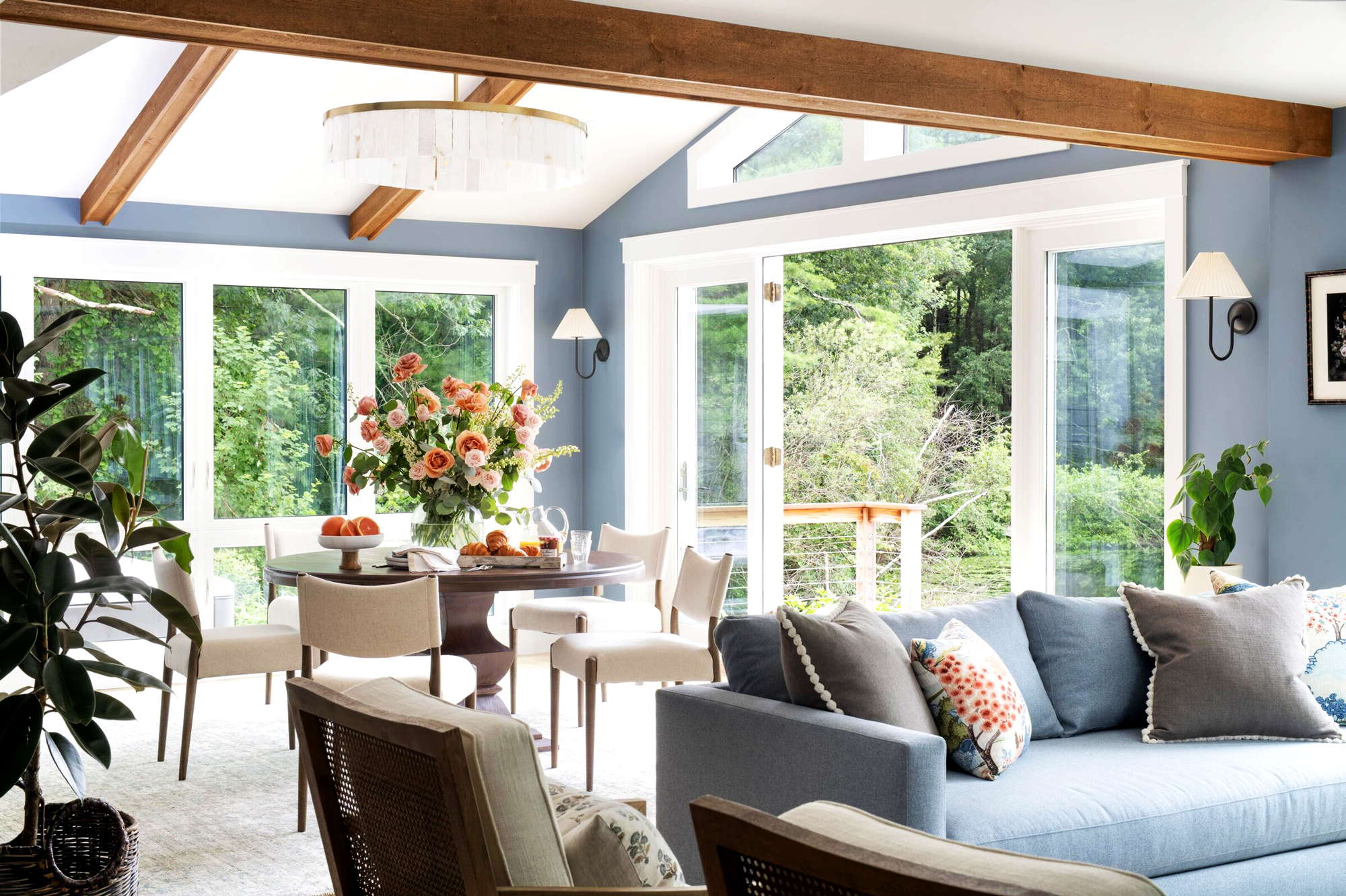

Bloomfield Living via Glass House Design
Whether you’re re-imagining a sunlit condo, updating a modern single-family home, or restoring a historic brownstone, these trends offer a thoughtful foundation for spaces that feel both timeless and entirely your own.
We hope you enjoyed this edition of ‘The Inspired Home’ with our roundup of local inspiration for 2026 and if you need help getting your home updated and ready for the real estate market, get in touch with Julie today.
Whether you’re preparing to BUY or SELL or want to learn about the current market trends, or want explore your current home value, Julie Harrison is here to help. The 2026 Spring Real Estate Market is HERE.



